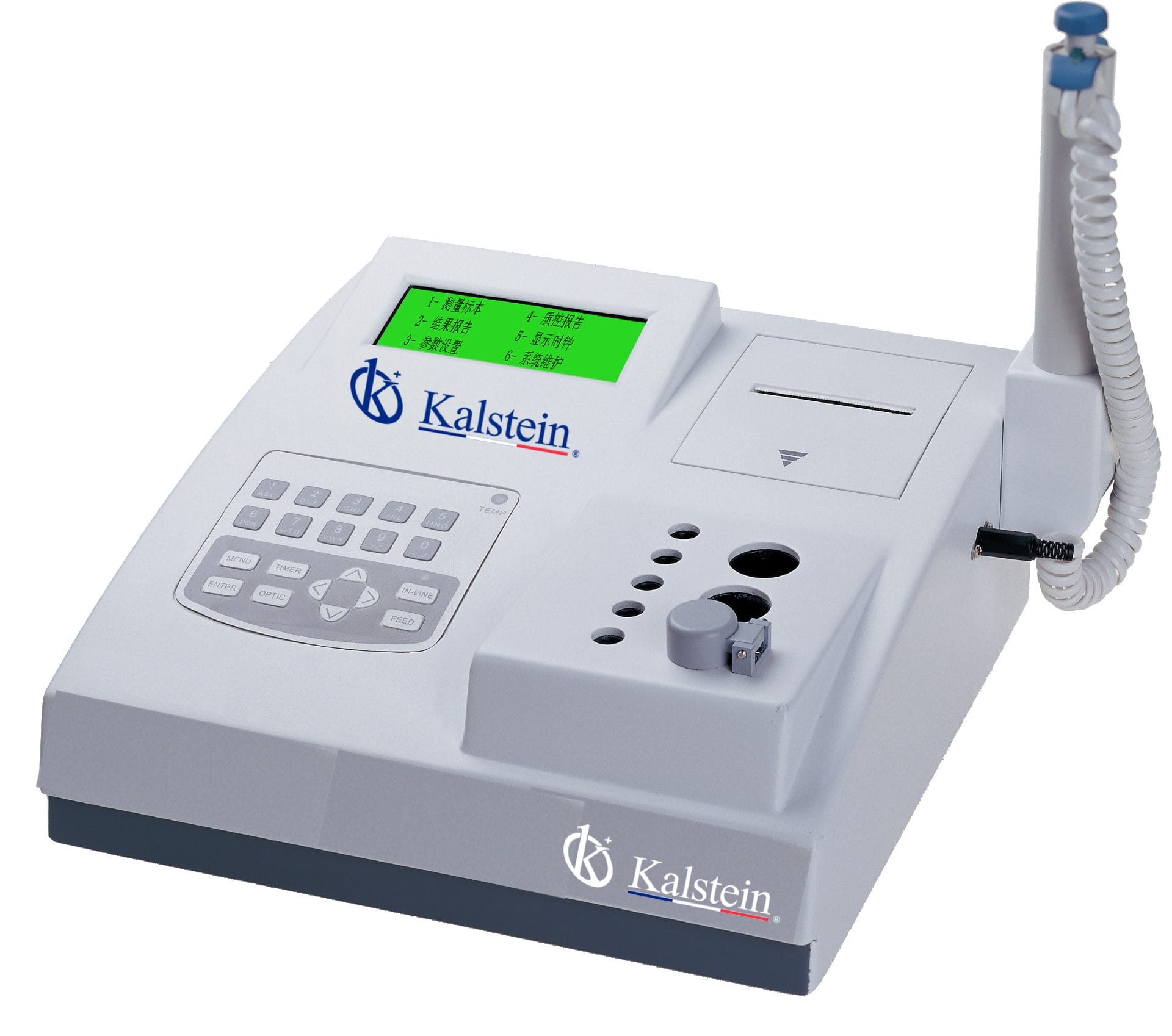
Coagulation Analyzers: Best Techniques and Protocols in 2026
Coagulation analyzers play a critical role in diagnosing and monitoring blood coagulation disorders. In 2026, the emphasis is on utilizing the most effective techniques and protocols to ensure accurate results and efficient workflows. This article provides a comprehensive guide for laboratory professionals on the applications, best practices, and insights into the models available in the market.
What is it used for in 2026
In 2026, coagulation analyzers are primarily used in clinical laboratories to assess hemostasis, which is essential for diagnosing conditions such as thrombophilia, bleeding disorders, and to monitor patients on anticoagulant therapy. These devices typically measure various parameters, including Prothrombin Time (PT), Activated Partial Thromboplastin Time (APTT), and fibrinogen levels, providing valuable information for patient management.
History and evolution of the technology
The evolution of coagulation analyzers began in the mid-20th century with simplistic manual methods. Over the decades, advancements in optical technology, automation, and software have transformed these devices into sophisticated instruments capable of performing multiple assays simultaneously. By 2026, the focus is on further enhancing accuracy, minimizing reagent consumption, and improving the user experience through intuitive interfaces.
How to use it step by step
- Preparation: Ensure the analyzer is properly calibrated and that all reagents are fresh and stored correctly.
- Sample collection: Collect blood samples using proper techniques to prevent contamination and ensure accurate results.
- Loading samples: Place the samples in the designated positions of the analyzer, following the manufacturer’s guidelines.
- Select assays: Choose the required assays based on the clinical needs of the patient.
- Running the tests: Initiate the analysis and monitor the process through the device's interface.
- Review results: Once completed, review the results for accuracy and clinical relevance.
- Documentation: Record results in the appropriate patient records and report as per laboratory protocol.
Best techniques and protocols
In 2026, best practices include the use of precise pipetting techniques, adherence to quality control measures, and regular calibration of the analyzers. Additionally, utilizing advanced algorithms for data interpretation enhances the reliability of results. Implementing standard operating procedures (SOPs) that align with current guidelines is crucial for maintaining laboratory standards.
Practical applications by laboratory type
Different laboratory types utilize coagulation analyzers in various ways:
- Hospital Laboratories: Used for routine testing and emergency situations to assess bleeding risks.
- Research Laboratories: Employed in studies related to blood disorders and the effects of new anticoagulants.
- Specialized Clinics: Focus on patients with specific coagulation concerns, providing tailored testing and monitoring.
Regulations, standards and certifications
Coagulation analyzers must meet regulatory standards set by organizations such as the FDA and ISO. In 2026, compliance with the latest guidelines ensures that the devices are safe, effective, and produce reliable results. Regular audits and certifications are essential for maintaining quality assurance in laboratories.
Comparison with alternative technologies
While coagulation analyzers are the primary technology for assessing hemostasis, alternatives such as point-of-care testing devices and manual methods are also used. Point-of-care devices offer rapid results but often lack the comprehensive testing capabilities of laboratory analyzers. It's essential to weigh the speed of results against the accuracy and range of tests offered by traditional coagulation analyzers.
Comparison of available models
| Model | Best for | Key specs | Recommended use case |
|---|---|---|---|
| YR05117 | Routine PT testing | Weight: 5 kg, Price: $750.00 | Ideal for small to medium-sized laboratories requiring basic coagulation tests. |
| YR05118 | Increased sample throughput | Weight: 5 kg, Price: $600.00 | Best suited for laboratories needing to process a higher volume of tests efficiently. |
| YR06083 | High-end automation | Weight: 110 kg, Price: $13,000.00 | Recommended for large laboratories requiring comprehensive testing capabilities. |
| YR06082 | Mid-range automated testing | Weight: 53 kg, Price: $6,800.00 | Excellent for hospitals with moderate testing requirements and automation needs. |
Common mistakes and how to avoid them
Common mistakes in using coagulation analyzers can lead to inaccurate results. These include:
- Improper sample collection: Always follow protocols to ensure sample integrity.
- Failure to calibrate: Regular calibration is essential for accurate measurements.
- Ignoring quality control: Implement daily quality control measures to validate results.
Maintenance, calibration and good practices 2026
Maintaining coagulation analyzers involves regular cleaning, proper storage of reagents, and timely calibration. In 2026, laboratories should adopt a maintenance schedule that includes:
- Weekly checks of calibration standards.
- Monthly cleaning of sample compartments.
- Annual software updates to ensure compliance with the latest standards.
Cost-benefit analysis 2026
When considering the purchase of coagulation analyzers, it's important to evaluate the cost against the benefits. Factors to consider include:
- Initial investment versus long-term savings in reagent costs.
- The potential for increased throughput and efficiency leading to higher lab productivity.
- Quality of results impacting patient outcomes, justifying the expenditure.
Frequently asked questions
What are the key factors to consider when choosing a coagulation analyzer?
When selecting a coagulation analyzer, consider factors such as the volume of tests performed, required assays, ease of use, maintenance costs, and compliance with regulatory standards.
How often should coagulation analyzers be calibrated?
Coagulation analyzers should be calibrated at least once a month and after any major maintenance or repairs to ensure accuracy.
Can coagulation analyzers perform tests on anticoagulated patients?
Yes, coagulation analyzers are specifically designed to assess coagulation status, including patients on anticoagulant therapy, by measuring relevant parameters effectively.
What maintenance practices ensure the longevity of a coagulation analyzer?
Regular cleaning, proper handling of reagents, adherence to calibration schedules, and software updates are crucial for maintaining the longevity and performance of coagulation analyzers.
Are there training resources available for laboratory staff on using coagulation analyzers?
Yes, many manufacturers provide training resources, including user manuals, online courses, and in-person workshops to ensure laboratory staff are proficient in using coagulation analyzers.
How can I improve the accuracy of test results?
To enhance accuracy, follow manufacturer protocols strictly, implement consistent quality control measures, and ensure proper sample handling throughout the testing process.
Where can I request a quote for coagulation analyzers?
You can request a quote on Kalstein Plus, where we provide detailed information regarding our range of coagulation analyzers.
If you are looking for a fusion of innovation and quality, you have come to the right place. At Kalstein, we offer you the luxury of exploring our exclusive catalog of laboratory equipment. We manufacture every device to the highest standards of excellence. Our intuitive and seamless online purchasing channels are designed for your convenience, securing the most competitive prices. Hesitate no longer — we bring science to life, it is time to become part of our community.