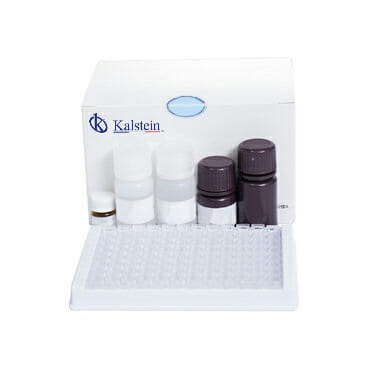
Clinical Chemistry Reagents: Practical Applications and Techniques 2026
Clinical chemistry reagents are essential tools in laboratory settings, offering a range of applications from diagnosing diseases to monitoring patient health. This article provides a detailed overview of the current techniques, applications, and best practices for using these reagents effectively in 2026.
What is it used for in 2026
In 2026, clinical chemistry reagents are primarily used for biochemical analysis in medical laboratories. These reagents facilitate the detection of various biochemical markers in bodily fluids, aiding in the diagnosis and management of diseases. Key applications include:
- Evaluating liver function through enzyme assays.
- Monitoring cardiac health using myocardial enzyme levels.
- Assessing kidney function through serum creatinine and electrolytes.
- Conducting metabolic panels for comprehensive health screenings.
- Determining the presence of infectious diseases through specific biomarkers.
History and evolution of the technology
The evolution of clinical chemistry reagents has been pivotal in advancing medical diagnostics. Early laboratory practices relied heavily on manual techniques and limited reagents. Over the decades, improvements in chemical formulations, coupled with technological advancements such as automated analyzers, have significantly enhanced the accuracy and efficiency of biochemical testing. Today, reagents are designed to provide rapid results with minimal sample volumes, enabling quicker clinical decisions.
How to use it step by step
Using clinical chemistry reagents follows a systematic approach to ensure accuracy and reliability in results:
- Preparation: Gather all necessary reagents (e.g., YRA1, YRA2, etc.), equipment, and samples.
- Calibration: Ensure that the analyzer is calibrated according to the manufacturer's specifications.
- Sample Collection: Collect samples using appropriate techniques to avoid contamination.
- Mixing: For reagents that require mixing, follow the recommended ratios and protocols.
- Analysis: Place samples in the analyzer and select the appropriate test method.
- Result Interpretation: Once results are generated, interpret them according to the laboratory guidelines.
- Documentation: Record the results accurately in the laboratory information system.
Best techniques and protocols
Effective use of clinical chemistry reagents involves adhering to best practices and protocols, which include:
- Regular calibration and maintenance of analytical instruments.
- Using quality control samples to validate test results.
- Following manufacturer instructions for reagent storage and handling.
- Implementing standard operating procedures (SOPs) to ensure consistency in testing.
- Training staff on the latest techniques and safety protocols.
Practical applications by laboratory type
Clinical chemistry reagents find applications across various types of laboratories:
- Hospital Laboratories: Often focus on acute care diagnostics, utilizing reagents for emergency testing.
- Research Laboratories: Employ reagents for investigative studies, exploring new biomarkers and their effects.
- Outpatient Clinics: Use reagents for routine health screenings and monitoring chronic conditions.
- Academic Institutions: Integrate clinical chemistry reagents into educational programs for training future professionals.
Regulations, standards and certifications
The use of clinical chemistry reagents is governed by several regulations and standards to ensure patient safety and product quality. Key regulatory bodies include:
- FDA (Food and Drug Administration): Regulates the approval and monitoring of laboratory reagents in the U.S.
- ISO (International Organization for Standardization): Provides guidelines for quality management systems in laboratories.
- CLIA (Clinical Laboratory Improvement Amendments): Establishes quality standards for laboratory testing.
Comparison with alternative technologies
Clinical chemistry reagents are often compared with alternative diagnostic technologies such as immunoassays and molecular diagnostics. Key differences include:
- Speed: Clinical chemistry reagents typically provide quicker results than some molecular tests.
- Cost: Reagent-based testing is often more economical compared to advanced molecular techniques.
- Complexity: Immunoassays may require more specialized training and equipment compared to traditional chemistry reagents.
Comparison of available models
| Model | Best for | Key specs | Recommended use case |
|---|---|---|---|
| YRA1 | Liver function tests | R1:48mlx2, R2:12mlx2, 120ml | Use in tests requiring ALT assessment. |
| YRA2 | Cardiac enzyme monitoring | R1:48mlx2, R2:12mlx2, 120ml | Ideal for AST evaluations. |
| YRA3 | Enzyme activity analysis | R1:48mlx2, R2:16mlx2, 128ml | Best for GGT tests. |
| YRA4 | Protein quantification | R:20mlx8, 160ml | Recommended for albumin assays. |
| YRA5 | Bilirubin testing | R1:48mlx2, R2:12mlx2, 120ml | Utilized for total bilirubin analysis. |
| YRA6 | Oxidation studies | R1:48mlx2, R2:12mlx2, 120ml | Used for oxidized bilirubin assessments. |
Common mistakes and how to avoid them
When using clinical chemistry reagents, several common mistakes can occur. Here are ways to avoid them:
- Poor sample handling: Always follow proper collection and storage protocols to prevent contamination.
- Ignoring calibration: Regularly calibrate equipment according to the guidelines to ensure accurate results.
- Neglecting quality control: Implement routine quality control measures to verify reagent performance.
Maintenance, calibration and good practices 2026
Maintaining clinical chemistry reagents involves specific practices:
- Regular maintenance: Schedule routine checks on equipment to ensure optimal functioning.
- Calibration: Follow a systematic calibration schedule as per manufacturer recommendations.
- Adhering to good laboratory practices: Train staff and enforce protocols for reagent use and waste disposal.
Cost-benefit analysis 2026
When conducting a cost-benefit analysis of clinical chemistry reagents, consider:
- Initial costs: Evaluate the purchase and setup costs of reagents and associated equipment.
- Operational costs: Assess ongoing expenses, including maintenance, calibration, and consumables.
- Benefits: Weigh the diagnostic value, improved patient outcomes, and potential cost savings against misdiagnosis.
Frequently asked questions
What are the most common applications of clinical chemistry reagents?
Clinical chemistry reagents are commonly used for liver and kidney function tests, metabolic panels, and monitoring cardiac enzymes.
How should I store clinical chemistry reagents?
Reagents should be stored according to the manufacturer’s specifications, typically in a cool, dry place, away from direct sunlight.
What are the key points to consider when selecting a clinical chemistry reagent?
Consider the specific tests you need to perform, the required precision, and compatibility with your laboratory equipment.
How do I ensure the accuracy of my test results with reagents?
Regular calibration of instruments, quality control measures, and adherence to protocols are vital for ensuring accurate results.
What maintenance is required for laboratory equipment using clinical chemistry reagents?
Regular cleaning, calibration, and inspections are essential for maintaining the equipment in optimal condition.
Are there differences in reagent performance across models?
Yes, different models may have varying specific applications, sensitivities, and optimal use cases, so it's important to choose based on your laboratory's needs.
If you are looking for a fusion of innovation and quality, you have come to the right place. At Kalstein, we offer you the luxury of exploring our exclusive catalog of laboratory equipment. We manufacture every device to the highest standards of excellence. Our intuitive and seamless online purchasing channels are designed for your convenience, securing the most competitive prices. Hesitate no longer — we bring science to life, it is time to become part of our community.