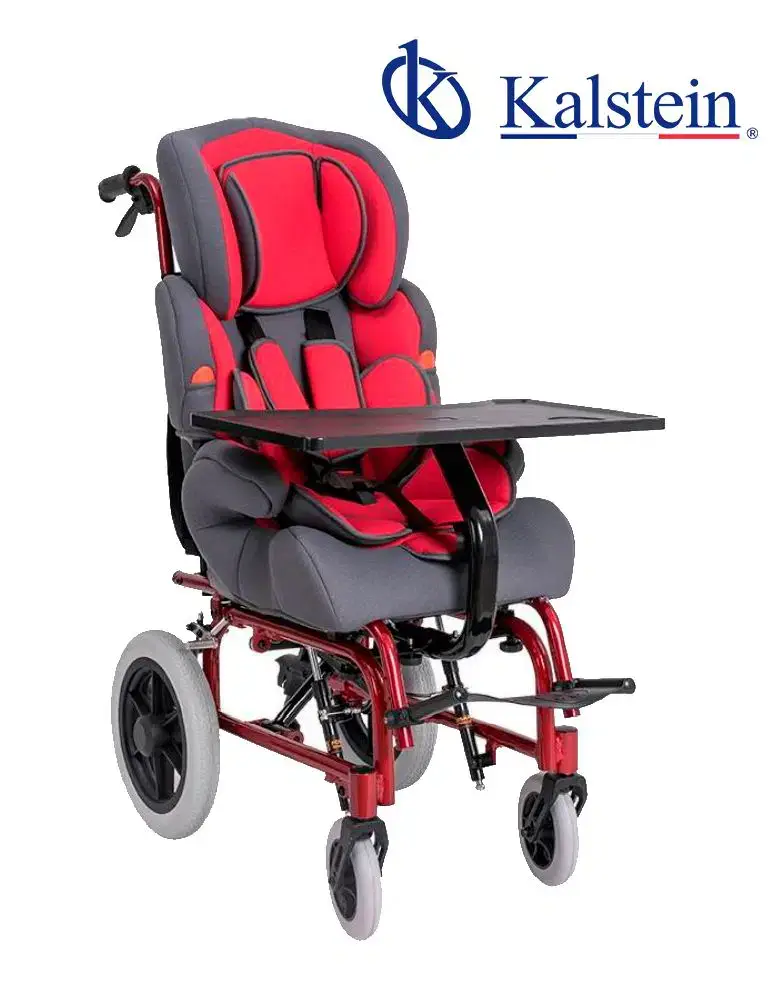
Children Wheelchairs: Practical Applications in Research, Biotechnology and Academia 2026
Children wheelchairs are essential tools that provide mobility and independence to young users who may face physical challenges. In 2026, these innovative devices have expanded their applications across various fields, including research, biotechnology, and academia. Understanding how to effectively utilize these wheelchairs, along with their technological advancements, can greatly enhance the quality of life for children and facilitate their integration into society.
What is it used for in 2026
In 2026, children wheelchairs serve multiple purposes beyond mobility. They are designed to support children with disabilities, enabling them to participate actively in educational and recreational activities. These wheelchairs are tailored to meet the unique needs of different users, ensuring comfort, safety, and functionality. They are utilized in various settings, including:
- Education: Allowing children to engage in classroom activities and social interactions.
- Rehabilitation: Supporting physical therapy and recovery processes.
- Research: Providing mobility solutions in studies related to pediatric health and disability.
- Recreational Activities: Enabling children to enjoy outdoor and indoor activities.
History and evolution of the technology
The evolution of children wheelchairs has been remarkable, tracing back to rudimentary designs to the advanced models available today. Early wheelchairs were simplistic and often uncomfortable. Over the years, technological advancements have led to the integration of ergonomic designs, lightweight materials, and customizable features. The introduction of adjustable components has allowed for better accommodation of growing children, enhancing their usability over time. Modern wheelchairs now incorporate smart technologies, such as adjustable seating and reclining features, ensuring the utmost comfort and adaptability for young users.
How to use it step by step
Using children wheelchairs effectively involves a few critical steps:
- Adjust the wheelchair: Before use, adjust the seat height, backrest angle, and footrests according to the child's needs.
- Secure the child: Ensure that the child is securely strapped into the wheelchair using the safety belts provided.
- Test maneuverability: Check that the chair moves smoothly and that brakes are functioning properly.
- Utilize accessories: Make use of any additional accessories like trays or bags that may help in enhancing the child’s experience.
- Encourage independence: Allow the child to practice maneuvering the wheelchair in safe environments to build confidence.
Best techniques and protocols
When working with children wheelchairs, consider the following techniques and protocols to ensure safety and effectiveness:
- Regular Training: Provide training sessions for caregivers and family members on how to operate and assist with the wheelchairs.
- Routine Checks: Regularly inspect the wheelchair for any signs of wear or malfunction. It is crucial to ensure that all components are functioning correctly.
- Personalized Adjustments: Tailor the settings based on the child's growth and changing needs, adjusting the wheelchair as necessary.
- Emergency Procedures: Establish clear procedures for emergencies, ensuring that all caregivers are aware of how to handle situations that may arise.
Practical applications by laboratory type
Children wheelchairs find diverse applications across various laboratory settings, including:
- Biotechnology Labs: Used to study mobility-related issues and develop assistive technologies for children with disabilities.
- Clinical Research: Assisting in trials focused on pediatric care and rehabilitation methods.
- Educational Research: Studying the impact of mobility on learning outcomes and social interactions in children.
- Therapeutic Environments: Facilitating movement and engagement in therapy sessions.
Regulations, standards and certifications
Children wheelchairs must comply with various regulations and standards to ensure safety and effectiveness. Key standards include:
- ISO 7176: This standard covers the safety and performance requirements for wheelchairs.
- ASTM F1951: This standard specifies the requirements for wheelchairs used in public spaces.
- EN 12183: This European standard addresses the requirements for wheelchairs for children.
Certification from regulatory bodies ensures that the wheelchairs meet established safety and quality benchmarks.
Comparison with alternative technologies
When evaluating children wheelchairs, it is important to compare them with alternative mobility technologies, such as powered scooters and adaptive strollers. Key differences include:
- Maneuverability: Traditional wheelchairs often provide better maneuverability compared to powered alternatives in tight spaces.
- Cost: Children wheelchairs are generally more cost-effective than powered mobility devices.
- Maintenance: Manual wheelchairs require less maintenance than powered scooters.
- Physical Activity: Using manual wheelchairs promotes physical activity, which can be beneficial for children’s health.
Comparison of available models
| Model | Best for | Key specs | Recommended use case |
|---|---|---|---|
| YR05459 | Basic mobility | Seat Width: 30cm, Seat Depth: 39cm, Total Length: 92cm | Ideal for everyday use in home and school settings. |
| YR05460 | Comfort and adjustability | Seat Width: 42cm, Total Length: 75-95cm | Best for children needing more adjustable features. |
| YR05457 | Enhanced support | Seat Width: 38cm, Total Length: 112cm | Suitable for children requiring additional back support. |
| YR05458 | Versatile usage | Seat Width: 38cm, Total Length: 112cm | Ideal for various activities, including therapy and recreation. |
| YR06611 | Children with Cerebral Palsy | Total Height: 1290mm, Seat Width: 340mm | Specifically designed for children with special mobility needs. |
Common mistakes and how to avoid them
Users often make mistakes that can compromise safety and effectiveness. Here are some common errors and how to avoid them:
- Neglecting Adjustments: Always ensure the wheelchair is adjusted to fit the child’s current size and needs.
- Ignoring Maintenance: Routine checks should be a priority to prevent malfunctions.
- Improper Use of Safety Features: Always use safety belts and other protective features provided with the wheelchair.
- Failing to Train Caregivers: Ensure that all caregivers understand how to operate the wheelchair properly.
Maintenance, calibration and good practices 2026
Maintaining children wheelchairs is crucial for their longevity and performance. Recommended practices include:
- Regular Cleaning: Clean the wheelchair regularly to prevent dirt and grime buildup.
- Inspect Components: Frequently check wheels, brakes, and frames for any signs of wear.
- Lubricate Moving Parts: Use appropriate lubricants on moving parts to ensure smooth operation.
- Follow Manufacturer Guidelines: Always adhere to the maintenance schedule provided by the manufacturer.
Cost-benefit analysis 2026
The cost of children wheelchairs varies based on features, materials, and capabilities. A cost-benefit analysis should consider:
- Initial Investment: Weigh the purchase cost against the expected lifespan and usage frequency.
- Durability and Maintenance: Consider long-term maintenance costs and how often the wheelchair may need repairs.
- Quality of Life Improvements: Assess the benefits of improved mobility and independence for the child.
Investing in a quality wheelchair can lead to significant benefits in terms of functionality and the child’s overall happiness.
Frequently asked questions
How do I choose the right wheelchair for my child?
Choosing the right wheelchair involves assessing your child's specific needs, including their size, weight, and mobility requirements. It's essential to consult with healthcare professionals to find a model that suits their lifestyle.
What are the key features to look for in a children wheelchair?
Look for adjustable components, safety features like seatbelts, lightweight materials for easy maneuverability, and storage options for convenience.
How often should I perform maintenance on the wheelchair?
Regular maintenance should be performed at least once a month, or more frequently if the wheelchair is used daily. Check for any signs of wear and ensure all components are functioning correctly.
Can children use wheelchairs for recreational activities?
Yes, many children wheelchairs are designed for versatility, allowing children to engage in various recreational activities. Always ensure the wheelchair is suitable for the intended use.
What regulations do children wheelchairs need to comply with?
Children wheelchairs should comply with standards such as ISO 7176 and ASTM F1951, ensuring safety and performance in various environments.
How can I ensure my child is comfortable in their wheelchair?
Make necessary adjustments to fit their size, regularly check for proper alignment, and ensure that padding is adequate for their comfort.
Where can I get the best children wheelchairs?
For high-quality options, consider requesting a quote through trusted suppliers who specialize in medical and mobility equipment.
If you are looking for a fusion of innovation and quality, you have come to the right place. At Kalstein, we offer you the luxury of exploring our exclusive catalog of laboratory equipment. We manufacture every device to the highest standards of excellence. Our intuitive and seamless online purchasing channels are designed for your convenience, securing the most competitive prices. Hesitate no longer — we bring science to life, it is time to become part of our community.