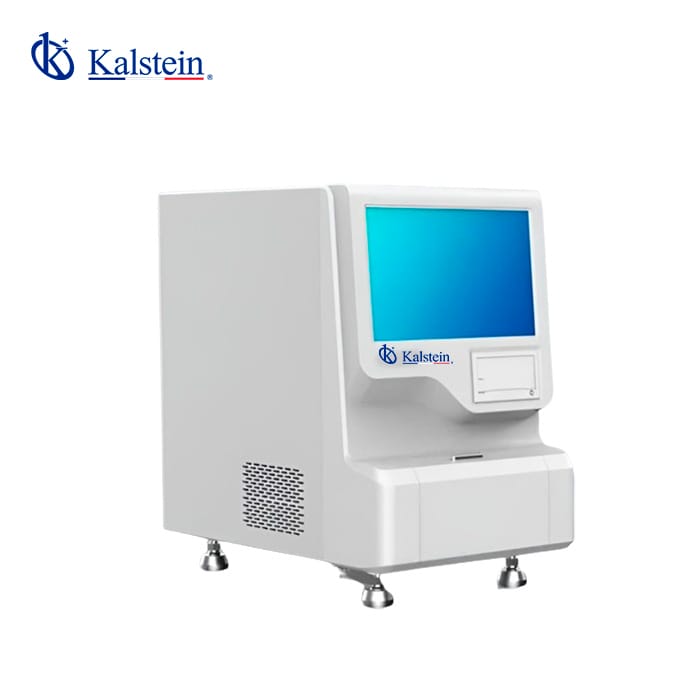
Chemiluminescence Immunoassay Analyzers: Practical Applications and Techniques 2026
What is it used for in 2026
Chemiluminescence Immunoassay Analyzers are pivotal in clinical laboratories for diagnosing diseases, monitoring biomarkers, and conducting research. In 2026, these analyzers are widely recognized for their ability to deliver fast and accurate results, essential for urgent care and routine testing. They are versatile, enabling the analysis of various sample types, such as plasma, serum, and urine, through advanced methodologies that ensure reliability and precision.
History and evolution of the technology
The technology of chemiluminescence immunoassays has evolved over the years, starting from manual techniques to fully automated, high-throughput systems. The initial use of luminescent labels in immunoassays began in the late 20th century, allowing for the detection of specific analytes with high sensitivity. The evolution has led to innovations in sample processing, increasing efficiency and accuracy while reducing turnaround times. Today, with the integration of digital technologies and improved reagents, chemiluminescence analyzers stand at the forefront of laboratory diagnostics.
How to use it step by step
Using a Chemiluminescence Immunoassay Analyzer involves several key steps:
- Preparation: Ensure that all necessary reagents and samples are ready. Verify that the analyzer is calibrated and maintains optimal conditions for operation.
- Sample Loading: Load samples into the analyzer according to the manufacturer's instructions. Ensure that the correct sample types are selected.
- Assay Selection: Choose the appropriate assay for the analyte of interest based on your laboratory's protocols.
- Run the Assay: Initiate the assay and monitor the process through the analyzer's interface. The analyzer will automatically handle mixing, incubation, and measurement.
- Result Retrieval: Once the assay is complete, retrieve results from the analyzer. Analyze and interpret the data as per the established laboratory standards.
- Cleanup: Follow the cleaning protocols to maintain the integrity of the analyzer and prepare it for future use.
Best techniques and protocols
Best practices for using Chemiluminescence Immunoassay Analyzers include:
- Standard Operating Procedures (SOPs): Develop clear SOPs for each type of assay to ensure consistency and reproducibility.
- Quality Control: Regularly perform quality control checks to validate the performance of the analyzer and reagents.
- Sample Integrity: Always verify the integrity of samples before analysis to ensure accurate results.
- Training: Ensure that laboratory personnel are adequately trained on the operation and maintenance of the analyzers.
- Documentation: Keep detailed records of all analyses, including results, maintenance, and any issues encountered.
Practical applications by laboratory type
Chemiluminescence Immunoassay Analyzers find applications in various laboratory settings:
- Clinical Laboratories: Used for routine testing of hormones, infectious diseases, and other biomarkers.
- Hospital Laboratories: Vital for emergency testing, providing rapid results for patient management.
- Research Laboratories: Useful in clinical research for developing new diagnostic tests and understanding disease mechanisms.
- Point-of-Care Testing: Adapted models are utilized in point-of-care settings to deliver immediate results for critical care.
Regulations, standards and certifications
The operation of Chemiluminescence Immunoassay Analyzers is subject to various regulations and standards:
- CLIA (Clinical Laboratory Improvement Amendments): Ensures laboratory testing accuracy and reliability.
- ISO (International Organization for Standardization): Provides international standards for quality management systems in laboratories.
- FDA (Food and Drug Administration): Regulates the approval and monitoring of diagnostic devices, ensuring they meet safety and effectiveness standards.
- CE Marking: Indicates conformity with health, safety, and environmental protection standards for products sold within the European Economic Area.
Comparison with alternative technologies
When comparing Chemiluminescence Immunoassay Analyzers with alternative technologies such as ELISA (Enzyme-Linked Immunosorbent Assay) and Radioimmunoassay (RIA), several points emerge:
- Sensitivity: Chemiluminescence assays typically offer higher sensitivity compared to conventional ELISA techniques.
- Speed: Results from chemiluminescent assays are often available more quickly than those from ELISA or RIA methods.
- Automation: Many chemiluminescence analyzers are fully automated, reducing human error and improving throughput.
- Safety: Chemiluminescence does not require radioactive materials, making it a safer choice for laboratories.
Comparison of available models
| Model | Best for | Key specs | Recommended use case |
|---|---|---|---|
| YR06387 | High-efficiency diagnostic testing | Weight: 45 kg, Dimensions: 320 x 550 x 550 mm, Price: $3500 | Clinical environments requiring random test combinations |
| YR06388 | Rapid and accurate results | Weight: 55 kg, Dimensions: 520 x 550 x 550 mm, Price: $5000 | High-demand clinical settings with multiple tests |
| YR06389 | High throughput for urgent care | Production rate: 120T/h, Results in 15 mins, Price: $9000 | Outpatient and emergency laboratory environments |
| YR06390 | Efficient clinical diagnostics | Processing speed: 220 T/h, Results in 15 mins, Price: $15000 | Laboratories requiring rapid turnaround times |
| YR06710 | Compact space applications | Dimensions: 0.4 m², Price: $109 | Clinical environments with limited space |
Common mistakes and how to avoid them
Common mistakes in using Chemiluminescence Immunoassay Analyzers include:
- Incorrect Sample Handling: Ensure proper sample storage and handling to avoid contamination or degradation.
- Improper Calibration: Regularly calibrate the analyzer to maintain accuracy and reliability of results.
- Neglecting Quality Control: Implement routine quality control procedures to verify that all results meet laboratory standards.
- Lack of Staff Training: Provide comprehensive training for all staff on the operation and troubleshooting of analyzers.
Maintenance, calibration and good practices 2026
To maintain optimal performance of Chemiluminescence Immunoassay Analyzers, consider the following:
- Regular Maintenance: Follow manufacturer guidelines for routine maintenance, including cleaning and part replacement.
- Calibration: Perform calibration checks as recommended, particularly before critical runs.
- Record Keeping: Document all maintenance, calibration, and quality control activities meticulously.
- Training Updates: Regularly update staff training to incorporate new techniques and best practices.
Cost-benefit analysis 2026
When evaluating the cost-effectiveness of Chemiluminescence Immunoassay Analyzers in 2026, consider the following:
- Initial Investment: Analyze the upfront costs versus long-term savings in labor and reagent costs.
- Operational Efficiency: High throughput and rapid results can reduce laboratory operational costs significantly.
- Result Accuracy: Increased accuracy and reliability in test results can minimize the need for repeat tests, saving costs in the long run.
- Market Demand: Consider the growing demand for rapid diagnostics in clinical settings, enhancing the return on investment.
Frequently asked questions
What should I consider when choosing a Chemiluminescence Immunoassay Analyzer?
When selecting an analyzer, consider throughput capacity, sample compatibility, assay types, and available support services from the manufacturer.
How often should I calibrate my Chemiluminescence Immunoassay Analyzer?
Calibration frequency depends on the manufacturer's recommendations and the laboratory's operational demands. Typically, it should be done before significant testing runs.
What types of samples can be used with these analyzers?
These analyzers are compatible with various sample types, including plasma, serum, and urine.
How do I ensure accurate results from my Chemiluminescence Immunoassay Analyzer?
Ensure proper sample handling, perform regular maintenance and calibration, and adhere to standardized operating procedures.
Can I use Chemiluminescence Immunoassay Analyzers in point-of-care settings?
Yes, certain models are designed for point-of-care testing, providing rapid results suitable for emergency situations.
What are the benefits of automating immunoassay testing?
Automation enhances efficiency, reduces human error, and increases throughput, leading to quicker and more reliable results.
If you are looking for a fusion of innovation and quality, you have come to the right place. At Kalstein, we offer you the luxury of exploring our exclusive catalog of laboratory equipment. We manufacture every device to the highest standards of excellence. Our intuitive and seamless online purchasing channels are designed for your convenience, securing the most competitive prices. Hesitate no longer — we bring science to life, it is time to become part of our community.