Blood Bank Refrigerators: Common Mistakes and How to Avoid Them in Daily Operations 2026
What is it used for in 2026
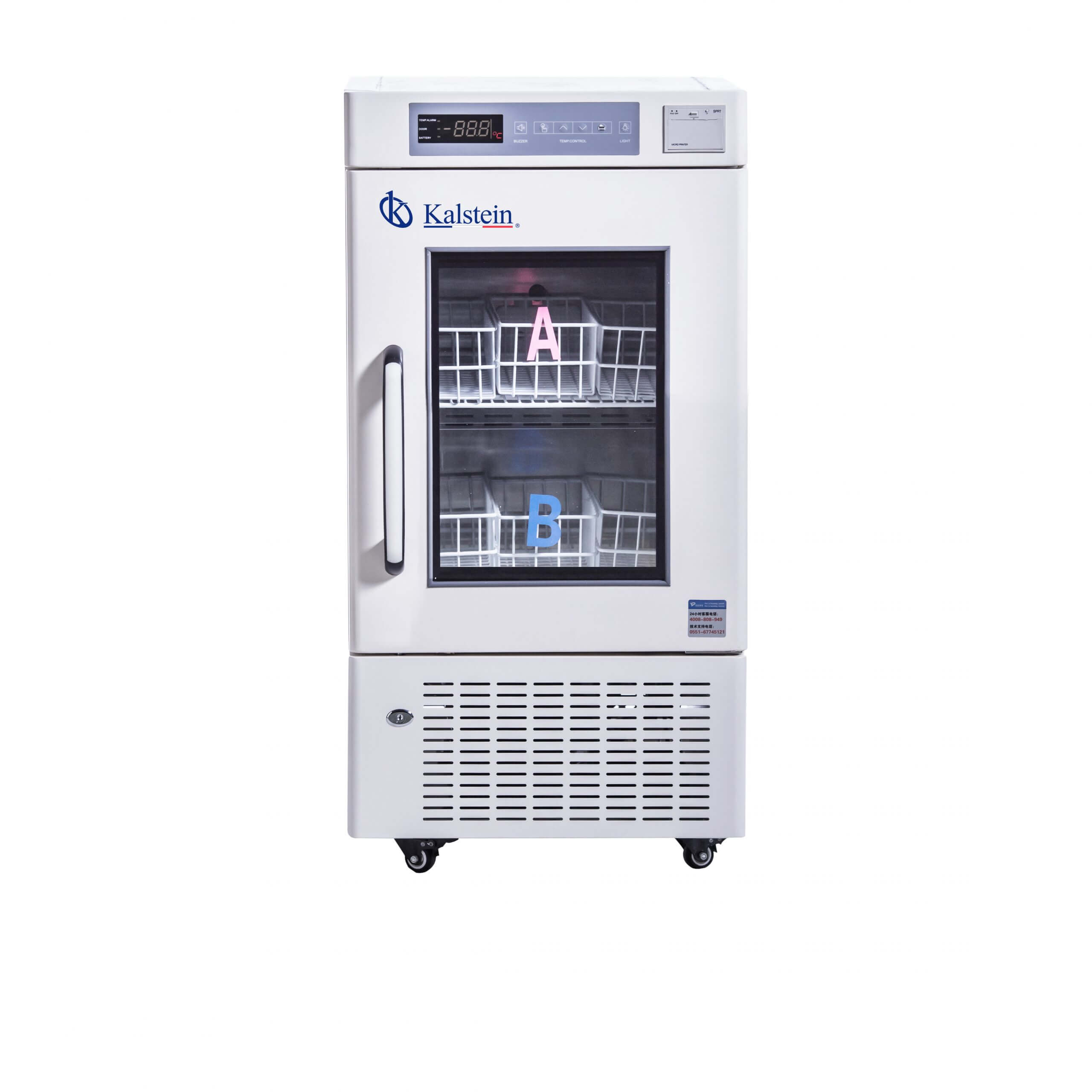
Blood Bank Refrigerators play a vital role in healthcare facilities, particularly in blood banks, hospitals, and clinical laboratories. They are essential for the safe storage of blood, blood components, and bioproducts at regulated temperatures. In 2026, these units are designed to maintain a stable environment, ensuring that vital biological materials are preserved effectively to support various medical procedures and treatments.
History and evolution of the technology
The development of refrigeration technology dates back to the 18th century, but specialized Blood Bank Refrigerators have evolved significantly over the past few decades. Initially, standard refrigerators were used for blood storage. However, with advancements in knowledge about blood preservation and storage requirements, dedicated blood bank refrigerators were introduced. These modern units now feature microprocessor-controlled systems, automatic defrost capabilities, and digital monitoring, ensuring optimal storage conditions and reliability.
How to use it step by step
Using a Blood Bank Refrigerator involves several important steps for effective operation:
- Initial Setup: Before using the unit, ensure that it is installed in a suitable environment, away from heat sources and direct sunlight.
- Temperature Calibration: Set the desired temperature (typically between 2-6°C) and calibrate the thermometer to ensure accurate readings.
- Load Management: Organize blood bags and components within the refrigerator, allowing for proper airflow and temperature distribution.
- Regular Monitoring: Continuously monitor the unit’s temperature through the digital display, checking for any fluctuations.
- Record Keeping: Maintain logs of temperature readings and any maintenance activities for compliance and future reference.
Best techniques and protocols
To ensure effective operation of Blood Bank Refrigerators, implement the following best practices:
- Utilize a systematic inventory management system to track blood products.
- Regularly review and update protocols for loading and unloading to minimize temperature disruptions.
- Establish routine maintenance schedules to check the functionality of cooling systems and alarms.
Practical applications by laboratory type
Blood Bank Refrigerators are utilized across various laboratory settings:
- Hospitals: Used for storing blood for transfusions, ensuring accessibility and safety.
- Blood Donation Centers: Essential for preserving donated blood until it can be processed.
- Research Laboratories: Utilized for storing blood samples for research and testing purposes.
Regulations, standards and certifications
Blood Bank Refrigerators must comply with several regulations and standards, including:
- FDA regulations for blood and blood product storage.
- ISO 13485 standards for medical devices to ensure quality management.
- Local health department guidelines governing laboratory equipment use.
Comparison with alternative technologies
When comparing Blood Bank Refrigerators with alternative storage solutions, such as conventional refrigerators or freezers, key differences include:
- Blood Bank Refrigerators are specifically designed to maintain precise temperatures for blood storage.
- They offer advanced monitoring systems for temperature fluctuations, unlike conventional fridges.
- Alternative technologies may not have the same reliability or safety features suitable for biological materials.
Comparison of available models
| Model | Best for | Key specs | Recommended use case |
|---|---|---|---|
| YR05091 | Blood storage, medications | 2-6 °C, Digital monitor | Small to mid-sized blood banks |
| YR05092 | Blood and medication storage | 2-6 °C, 4 shelves | Hospitals with higher storage needs |
| YR05094 | High volume blood storage | 2-6 °C, 12 shelves | Large blood banks |
| YR05098 | Long-term sample preservation | -10 to -25 °C, Direct cooling | Research labs requiring low temperatures |
| YR05292 | Blood bag storage | 4±1 °C, 12 stainless steel drawers | Hospitals and blood donation centers |
Common mistakes and how to avoid them
Laboratories often encounter mistakes while using Blood Bank Refrigerators. Here are some common errors and tips for avoiding them:
- Not monitoring temperatures regularly: Implement a routine schedule for checking temperatures to ensure compliance with storage regulations.
- Overloading the refrigerator: Maintain an organized storage method, ensuring adequate airflow around products to prevent temperature spikes.
- Ignoring maintenance alerts: Regularly inspect and maintain the unit to avoid operational failures.
Maintenance, calibration and good practices 2026
To maintain Blood Bank Refrigerators effectively:
- Calibrate the temperature control system quarterly.
- Perform routine cleaning and checking of door seals to ensure airtight conditions.
- Document maintenance records meticulously for compliance and auditing purposes.
Cost-benefit analysis 2026
When evaluating the cost of Blood Bank Refrigerators:
- Consider initial purchase costs against long-term savings from reduced waste and increased reliability.
- Factor in energy efficiency and maintenance costs to determine overall financial impact.
Frequently asked questions
How do I know which Blood Bank Refrigerator model is suitable for my laboratory?
Evaluate your laboratory's size, the volume of blood products, and specific storage needs to determine the ideal model for your applications.
What is the average lifespan of a Blood Bank Refrigerator?
Most Blood Bank Refrigerators are designed to last between 10 to 15 years with proper maintenance and regular servicing.
How often should I calibrate my Blood Bank Refrigerator?
Calibration should be performed at least quarterly, or more frequently if your laboratory handles a high volume of products.
What should I do if the temperature alarm goes off?
Immediately check the refrigerator's temperature settings, inspect the door seals, and ensure that the unit is functioning properly. If issues persist, contact a technician.
Can I store non-blood materials in my Blood Bank Refrigerator?
While primarily intended for blood storage, you may store compatible biological materials, but it's essential to avoid overcrowding, which may affect temperature stability.
How can I improve the energy efficiency of my Blood Bank Refrigerator?
Ensure the unit is not overpacked, maintain proper airflow, and regularly clean the condenser coils to optimize energy efficiency.
What is the best way to track inventory in a Blood Bank Refrigerator?
Implement a barcoding system or inventory management software to efficiently track blood products and their storage locations.
If you are looking for a fusion of innovation and quality, you have come to the right place. At Kalstein, we offer you the luxury of exploring our exclusive catalog of laboratory equipment. We manufacture every device to the highest standards of excellence. Our intuitive and seamless online purchasing channels are designed for your convenience, securing the most competitive prices. Hesitate no longer — we bring science to life, it is time to become part of our community.