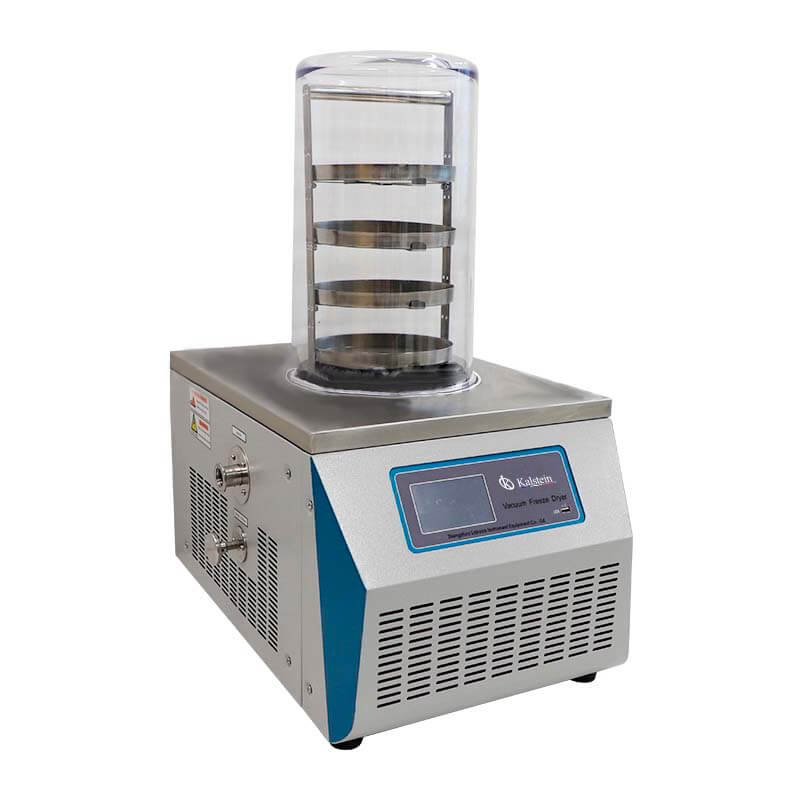
Benchtop Laboratory Freeze Dryer: Common Mistakes and How to Avoid Them in Daily Operations 2026
What is it used for in 2026
In 2026, Benchtop Laboratory Freeze Dryers are pivotal in various sectors including pharmaceuticals, biotechnology, and food preservation. These devices are essential for the lyophilization process, which allows for the removal of moisture from sensitive products while maintaining their chemical integrity. The freeze-drying process ensures that products remain stable and extend their shelf-life, making it invaluable for laboratories aiming for high-quality results.
History and evolution of the technology
The technology behind freeze drying can be traced back to World War II when it was used to preserve blood plasma. Over the years, advancements in refrigeration and vacuum techniques have refined the process, making it more efficient and accessible. In the laboratory setting, modern Benchtop Laboratory Freeze Dryers are now equipped with sophisticated control systems, touch screens, and improved condensation capabilities, allowing users to achieve optimal results with ease.
How to use it step by step
Using a Benchtop Laboratory Freeze Dryer involves several key steps:
- Preparation: Ensure that the samples are ready and suitable for freeze-drying.
- Loading: Place samples in the drying chamber on appropriate trays, ensuring proper spacing.
- Setting Parameters: Adjust the temperature and vacuum settings based on the material being dried.
- Initiating the Process: Start the lyophilization process and monitor the display.
- Post-Drying: Evaluate the samples for moisture content and store them appropriately.
Best techniques and protocols
For optimal results with a Benchtop Laboratory Freeze Dryer, consider the following techniques:
- Pre-freezing samples adequately to enhance moisture removal efficiency.
- Using high-quality trays that facilitate even heat transfer during the drying process.
- Regularly calibrating the equipment to ensure reliability.
- Adhering to recommended vacuum levels to achieve better sublimation rates.
Practical applications by laboratory type
Different laboratories utilize Benchtop Laboratory Freeze Dryers for various applications:
- Pharmaceutical Laboratories: For preserving active ingredients and formulations.
- Biological Research Labs: To store biological samples like bacteria and viruses.
- Food Research Labs: For developing freeze-dried food products and shelf-life testing.
Regulations, standards and certifications
Laboratories using Benchtop Laboratory Freeze Dryers must comply with relevant regulations such as Good Manufacturing Practices (GMP) and ISO standards. Ensuring that the equipment is certified and follows safety and quality guidelines is crucial for maintaining product integrity and ensuring safety during operations.
Comparison with alternative technologies
When compared to alternative drying technologies such as spray drying or air drying, freeze drying stands out due to its ability to preserve the structure and bioactivity of sensitive materials. While other methods may be quicker and less expensive, they often involve higher thermal stress that can degrade the product's quality.
Comparison of available models
| Model | Best for | Key specs | Recommended use case |
|---|---|---|---|
| YR05186 | General laboratory use | 0.12㎡, -55℃, 3-4 L/24h | Ideal for diverse applications including pharmaceuticals and food products. |
| YR05187 | Small batch experiments | 0.08㎡, -55℃, 3-4 L/24h | Best suited for laboratory experiments requiring precise control. |
| YR05188 | Multi-sample processing | 0.12㎡, -55℃, 3-4 L/24h | Ideal for larger batches of biological samples. |
| YR05189 | Collector applications | 0.08m2, -55℃, 3-4 L/24h | Perfect for laboratories focused on collector usage with multiple samples. |
| YR05189-1 | Custom applications | 3-4kg/24h, -55℃ | Best for specialized projects requiring custom configurations. |
Common mistakes and how to avoid them
Common mistakes when operating Benchtop Laboratory Freeze Dryers include:
- Overloading the drying chamber, which can lead to poor moisture removal.
- Improperly setting vacuum levels that can cause product degradation.
- Neglecting regular maintenance, which may affect performance.
- Not calibrating the equipment periodically, leading to inaccuracies.
To avoid these mistakes, ensure that you load samples according to the manufacturer's guidelines, regularly check vacuum levels, perform routine maintenance, and calibrate your equipment as needed.
Maintenance, calibration and good practices 2026
Maintaining a Benchtop Laboratory Freeze Dryer involves several key practices:
- Regularly clean the chamber and trays to prevent contamination.
- Calibrate temperature and vacuum sensors monthly.
- Inspect seals and gaskets for wear and replace as necessary.
- Keep a log of maintenance activities and calibration results for tracking.
Cost-benefit analysis 2026
When considering the investment in a Benchtop Laboratory Freeze Dryer, it's essential to analyze the cost versus the benefits. While the initial purchase price can be significant, the long-term savings from preserving valuable samples and extending product shelf life can justify the expense. Additionally, improved efficiency and reduced waste contribute to the overall cost-benefit ratio, making it a worthwhile investment for many laboratories.
Frequently asked questions
What factors should I consider when selecting a freeze dryer?
When choosing a freeze dryer, consider factors like the capacity you need, the temperature ranges suitable for your samples, and the type of control system available. Additionally, look into the maintenance requirements and available support from the manufacturer.
How can I ensure the quality of my samples during freeze drying?
To maintain sample quality, follow recommended protocols for pre-freezing, monitor vacuum levels accurately, and regularly check for proper calibration of equipment. Ensure the drying environment is clean and free from contamination.
What are the most common mistakes made during freeze-drying?
Common mistakes include overloading the dryer, incorrect vacuum settings, neglecting maintenance, and not calibrating equipment regularly. Awareness of these issues can help in achieving better results.
How often should I perform maintenance on my freeze dryer?
Maintenance should be performed regularly, typically monthly for calibration and cleaning, and annually for more thorough inspections. Regular logs can help track these activities.
Can I customize the settings for different samples?
Yes, most modern freeze dryers allow for customization of settings based on the type of sample and its properties. Consult the manual for guidance on optimal settings for specific materials.
What is the average lifespan of a Benchtop Laboratory Freeze Dryer?
The lifespan can vary based on usage and maintenance but typically ranges from 10 to 15 years with proper care and adherence to maintenance protocols.
If you are looking for a fusion of innovation and quality, you have come to the right place. At Kalstein, we offer you the luxury of exploring our exclusive catalog of laboratory equipment. We manufacture every device to the highest standards of excellence. Our intuitive and seamless online purchasing channels are designed for your convenience, securing the most competitive prices. Hesitate no longer — we bring science to life, it is time to become part of our community.