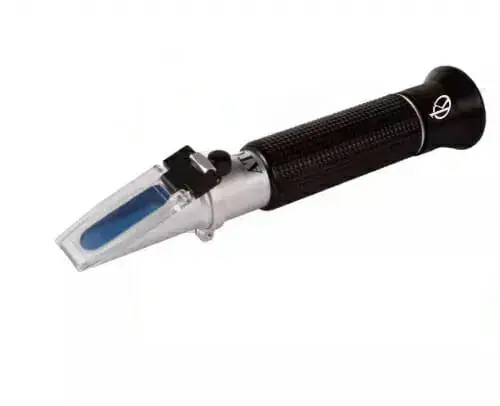
Beer Refractometers: Common Mistakes and How to Avoid Them in Daily Operations 2026
Beer refractometers are essential tools for brewers, allowing for precise measurement of sugar density in wort, which directly correlates to the potential alcohol content of the finished beer. Understanding how to use them effectively can enhance brewing efficiency and product quality. In this article, we will outline the common mistakes associated with beer refractometers and how to avoid them in your daily operations.
What is it used for in 2026
In 2026, beer refractometers play a crucial role in the brewing process by enabling brewers to monitor sugar content during fermentation. They provide instantaneous readings of specific gravity, allowing for timely adjustments to recipes and processes. This efficiency is critical in scaling production and maintaining consistency in flavor and quality.
History and evolution of the technology
The technology behind refractometers dates back to the 19th century, evolving from simple optical instruments to sophisticated devices used in laboratories and brewing industries today. Initially, refractometers were used primarily in laboratories for various applications. However, as the craft brewing industry grew, the demand for precise and portable measuring devices led to the development of specialized beer refractometers.
How to use it step by step
- Gather your materials: Ensure you have your beer refractometer, a clean sample of wort, and a pipette for measurement.
- Calibrate your refractometer: Before use, calibrate your device according to the manufacturer’s instructions to ensure accurate readings.
- Place a sample on the prism: Using the pipette, place a few drops of the wort on the refractometer prism.
- Close the cover: Gently close the cover to spread the sample evenly across the prism.
- Take the reading: Look through the eyepiece to read the Brix value and specific gravity on the scale.
- Record the results: Document your readings for analysis and future reference.
Best techniques and protocols
Effective use of beer refractometers involves following best practices such as ensuring the samples are at room temperature, avoiding bubbles on the prism, and taking multiple readings to account for potential inconsistencies. Additionally, always clean the prism after each use to prevent contamination and maintain accuracy.
Practical applications by laboratory type
Beer refractometers are utilized in various laboratory environments, including quality control labs, research facilities, and production breweries. In quality control labs, they are used to ensure the consistency and quality of batches. In research labs, they help in developing new recipes by analyzing sugar profiles. Production breweries rely on them for real-time monitoring during fermentation to adjust parameters as necessary.
Regulations, standards and certifications
In the brewing industry, adherence to strict regulations regarding alcohol content and quality assurance is vital. Beer refractometers must often comply with industry standards set by organizations such as the American Society of Brewing Chemists (ASBC) and the Brewers Association. Calibration certifications may also be necessary for specific applications.
Comparison with alternative technologies
While beer refractometers are favored for their speed and simplicity, other technologies such as hydrometers and digital density meters serve as alternatives. Hydrometers require larger sample sizes and can be more cumbersome, while digital density meters often come with higher costs but offer enhanced precision and data recording capabilities.
Comparison of available models
| Model | Best for | Key specs | Recommended use case |
|---|---|---|---|
| YR05939 | Quick gravity readings during boiling | 0-32% Brix, SG: 1.000-1.120 | Ideal for frequent checks during fermentation |
| YR05940 | General purpose brewing | 0-32% Brix, SG: 1.000-1.120 | Best for home brewing and small-scale operations |
| YR05941 | Professional brewing environments | 0-32% Brix, SG: 1.000-1.120 | Used in quality control labs for precise measurements |
| YR05942 | Brewers needing versatility | 0-32% Brix, SG: 1.000-1.120 | Applicable in various brewing processes |
| YR05943 | Frequent testing | 0-32% Brix, SG: 1.000-1.120 | Useful for small batches and experimental brews |
Common mistakes and how to avoid them
Common mistakes include not calibrating the refractometer, using samples that are too hot or cold, and failing to clean the prism properly. To avoid these issues, always adhere to calibration protocols, ensure samples are at room temperature, and regularly clean your equipment according to the manufacturer's guidelines.
Maintenance, calibration and good practices 2026
Regular maintenance is crucial for the longevity of beer refractometers. This includes cleaning the prism after each use, storing the device in a protective case, and performing routine calibrations with standard solutions. Following these practices ensures consistent and accurate measurements.
Cost-benefit analysis 2026
In 2026, investing in a beer refractometer can yield significant returns through improved brewing efficiency and product quality. While the initial cost of the device may vary, the ability to make real-time adjustments during brewing can prevent costly errors and enhance the overall brewing process.
Frequently asked questions
What is the best way to clean my beer refractometer?
To clean your beer refractometer, use a soft, lint-free cloth and a small amount of distilled water. Avoid abrasive materials that can scratch the prism.
How often should I calibrate my refractometer?
You should calibrate your refractometer before each brewing session and whenever it has been dropped or exposed to extreme temperatures.
Can I use my refractometer with hot wort?
It is recommended to wait until the wort has cooled to room temperature to take accurate readings, as hot liquids can affect the refractive index.
What are the advantages of using a refractometer over a hydrometer?
Refractometers require smaller sample sizes, provide quicker readings, and do not require temperature adjustments, making them more convenient than hydrometers.
How do I interpret the Brix readings from my refractometer?
The Brix readings indicate the sugar content in the wort, directly correlating to the potential alcohol content of your beer. Higher Brix values typically indicate a stronger beer.
Is it necessary to use a specific type of refractometer for brewing?
Using a refractometer specifically designed for brewing is recommended, as these models are calibrated for the sugar densities found in wort.
Where can I request a quote for a beer refractometer?
You can request a quote for a beer refractometer by contacting us directly through our online platform or customer service.
If you are looking for a fusion of innovation and quality, you have come to the right place. At Kalstein, we offer you the luxury of exploring our exclusive catalog of laboratory equipment. We manufacture every device to the highest standards of excellence. Our intuitive and seamless online purchasing channels are designed for your convenience, securing the most competitive prices. Hesitate no longer — we bring science to life, it is time to become part of our community.