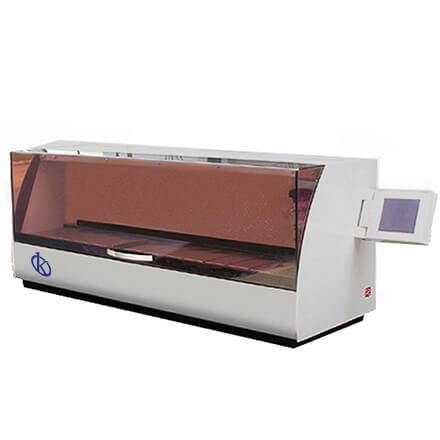
Automatic Slide Stainers: Applications in Research, Biotechnology, and Academia 2026
What is it used for in 2026
In 2026, Automatic Slide Stainers are essential tools in laboratories across research, biotechnology, and academia. These devices streamline the process of staining tissue samples, which is crucial for microscopic examination. Staining enhances the visibility of cellular structures, allowing for better diagnosis, research analysis, and educational purposes. The automation of this process not only increases efficiency but also minimizes human error, making it a preferred choice in modern laboratories.
History and evolution of the technology
The evolution of slide staining technology has transitioned from manual techniques to highly automated systems. Initially, staining was a labor-intensive process, requiring significant time and expertise. Over the years, advancements in electronic control systems and high-quality materials have led to the development of Automatic Slide Stainers. These modern devices now offer programmable settings, precise temperature controls, and user-friendly interfaces, revolutionizing how laboratories approach sample preparation.
How to use it step by step
Using an Automatic Slide Stainer involves a systematic approach to ensure accurate and consistent results. Here’s a step-by-step guide:
- Preparation: Gather all necessary materials, including slides, reagents, and the staining protocol.
- Set Up: Load the slides into the designated holder and ensure that the machine is properly connected to power and water sources.
- Select Program: Choose the staining program on the touch screen interface that corresponds to your specific protocol.
- Start the Process: Initiate the staining cycle and monitor the status through the display.
- Post-Staining: Once the cycle is complete, carefully remove the slides and allow them to dry.
- Cleanup: Follow the manufacturer's guidelines for cleaning and maintaining the unit after use.
Best techniques and protocols
Optimal results in slide staining depend on adhering to standardized techniques and protocols. Utilize the following best practices:
- Ensure reagents are fresh and prepared according to the manufacturer's specifications.
- Calibrate the machine regularly to maintain accuracy in temperature and timing.
- Follow the manufacturer's guidelines for the specific type of staining required, whether it be for hematoxylin and eosin staining or special stains for identifying specific cell types.
- Utilize appropriate controls in each batch to validate staining results.
- Keep a detailed log of processes for troubleshooting and quality control.
Practical applications by laboratory type
Automatic Slide Stainers find practical applications across various types of laboratories:
- Research Laboratories: Used to prepare samples for histological analysis, ensuring consistent and high-quality staining for publication-standard results.
- Clinical Laboratories: Essential for diagnosing diseases by providing clear visibility of tissue samples, aiding in pathology assessments.
- Academic Institutions: Serve as educational tools for teaching students about histology and pathology, allowing hands-on experience with modern equipment.
Regulations, standards and certifications
Automatic Slide Stainers must comply with various regulations and standards to ensure safety and reliability. These may include:
- ISO 13485 for medical device quality management systems.
- CE marking for compliance with European health and safety standards.
- FDA regulations for devices used in clinical and diagnostic settings in the United States.
Comparison with alternative technologies
When considering Automatic Slide Stainers, it is essential to compare them with alternative staining methods:
- Manual Staining: Labor-intensive and prone to variability, while automatic systems provide consistency and reduce hands-on time.
- Semi-Automatic Stainers: Require some manual intervention, offering a middle ground but lacking the efficiency of fully automated systems.
- Other Automated Systems: Technologies such as digital slide scanners may offer imaging capabilities but do not replace the staining process.
Comparison of available models
| Model | Best for | Key specs | Recommended use case |
|---|---|---|---|
| YR435 | High-volume tissue staining | 14 processing cups, adjustable processing time | Ideal for busy laboratories needing efficiency |
| YR435-1 | Flexible staining needs | 400 slides/hour, color touch screen | Suitable for academic settings with varied protocols |
| YR436-1 | Compact and efficient staining | 15 tanks, adjustable treatment time | Perfect for small labs or specialized applications |
Common mistakes and how to avoid them
Avoiding common mistakes can enhance the performance of Automatic Slide Stainers:
- Incorrect Loading: Follow guidelines for slide loading to prevent jams and ensure even staining.
- Inconsistent Reagent Preparation: Always use calibrated tools and adhere to protocols for reagent preparation.
- Ignoring Maintenance: Regular upkeep is crucial; neglect can lead to equipment failure and poor staining results.
Maintenance, calibration and good practices 2026
Maintaining Automatic Slide Stainers is vital for optimal performance:
- Perform regular cleaning as per manufacturer instructions to avoid contamination.
- Calibrate the equipment periodically to ensure accurate timing and temperature settings.
- Document all maintenance and calibration activities to track performance over time.
Cost-benefit analysis 2026
When evaluating the cost-benefit of Automatic Slide Stainers, consider:
- Initial Investment: While upfront costs may be high, the efficiency gained can lead to cost savings in labor and time.
- Operational Efficiency: Automation reduces manual labor, allowing more samples to be processed in less time.
- Accuracy and Quality: Increased accuracy in staining leads to better diagnostic results, minimizing rework and wasted materials.
Frequently asked questions
How do I choose the right Automatic Slide Stainer for my laboratory?
Consider the volume of samples you process, the range of staining protocols you need, and the available budget. Evaluate models based on efficiency, capacity, and ease of use.
Can Automatic Slide Stainers be used for special staining techniques?
Yes, many Automatic Slide Stainers come with programmable settings that allow for various staining techniques, including special stains tailored for specific applications.
What maintenance is required for Automatic Slide Stainers?
Regular cleaning of components, calibration of settings, and routine checks for wear and tear are necessary to maintain performance and extend the lifespan of the equipment.
Are there any safety precautions I should take when using these devices?
Always wear appropriate personal protective equipment (PPE), follow labeling instructions on reagents, and ensure proper ventilation in the laboratory when operating the device.
How often should I calibrate my Automatic Slide Stainer?
Calibration should be performed regularly as per the manufacturer’s recommendations, typically every few months, or after significant operational changes.
What should I do if the staining results are inconsistent?
Check the machine’s calibration, ensure reagents are fresh and properly prepared, and review the staining protocol for any discrepancies or errors.
Where can I request a quote for an Automatic Slide Stainer?
You can request a quote on Kalstein Plus, which offers a range of Automatic Slide Stainers suited to your laboratory needs.
If you are looking for a fusion of innovation and quality, you have come to the right place. At Kalstein, we offer you the luxury of exploring our exclusive catalog of laboratory equipment. We manufacture every device to the highest standards of excellence. Our intuitive and seamless online purchasing channels are designed for your convenience, securing the most competitive prices. Hesitate no longer — we bring science to life, it is time to become part of our community.