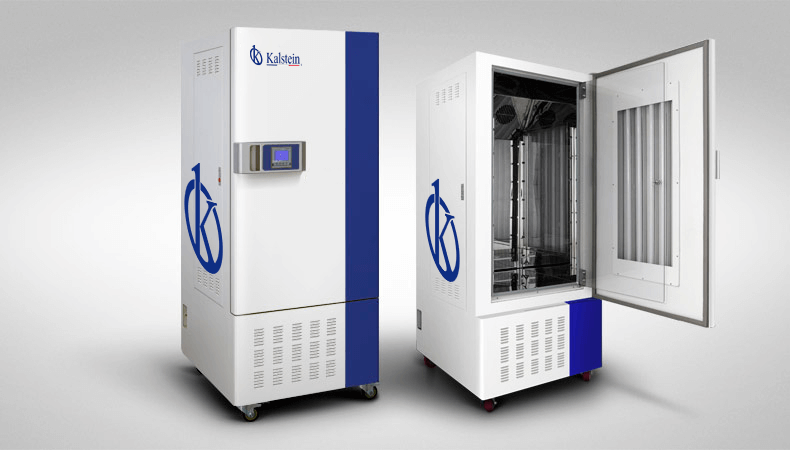
Artificial Climate Chambers: Practical Guide for Use in 2026
Artificial climate chambers are essential tools in modern laboratories, allowing scientists to simulate specific environmental conditions for a variety of research and experimentation needs. This comprehensive guide discusses the applications of artificial climate chambers, offers step-by-step usage instructions, and provides insights into best practices for 2026.
What is it used for in 2026
Artificial climate chambers are primarily used for simulating environmental conditions such as temperature, humidity, and light. These chambers are crucial for biological research, allowing for long-term cultural experiments, growth studies of various organisms, and developmental research in controlled environments. They are particularly useful in fields like botany, zoology, and cellular biology, where precise control over environmental variables is necessary to observe accurate biological responses.
History and evolution of the technology
The technology behind artificial climate chambers has evolved significantly over the years. Initially, basic temperature-controlled environments were used; however, advances in sensor technology and microprocessor controls have led to sophisticated systems capable of simulating complex climate conditions. Modern artificial climate chambers now incorporate features such as automatic defrosting, multi-segment programming, and enhanced energy efficiency, making them pivotal in contemporary laboratory settings.
How to use it step by step
- Preparation: Ensure the chamber is clean and free from contaminants.
- Setup: Connect the power supply and configure the settings for temperature, humidity, and light according to your experimental requirements.
- Loading Samples: Carefully place your biological samples or experimental materials inside the chamber.
- Monitoring: Regularly check the parameters on the control panel to ensure they remain stable throughout the experiment.
- Data Collection: Collect data at prescribed intervals based on your experimental design.
- After Experiment Cleanup: Remove samples and clean the chamber to maintain optimal conditions for future use.
Best techniques and protocols
It is essential to follow established protocols when using artificial climate chambers. These protocols include maintaining a consistent environment, regularly calibrating equipment, and adhering to safety guidelines. Utilizing control systems efficiently can enhance experimental reliability. For biological studies, implementing staggered lighting and humidity adjustments can yield better outcomes, reflecting natural conditions more accurately.
Practical applications by laboratory type
Artificial climate chambers are versatile and can be adapted for various laboratory types:
- Biological Research: Ideal for growing plant cultures, cell lines, and breeding small animals under controlled conditions.
- Pharmaceutical Development: Used for stability testing of drugs under simulated conditions.
- Food Science: Helps in testing shelf life and quality of food products under various humidity and temperature settings.
- Agricultural Research: Assists in studying crop responses to environmental changes.
Regulations, standards and certifications
In 2026, laboratories utilizing artificial climate chambers must adhere to various regulations and standards, including ISO certification for laboratory equipment and specific guidelines related to biological safety. Regular inspections ensure compliance with environmental regulations and safety standards, promoting responsible laboratory practices.
Comparison with alternative technologies
While artificial climate chambers are indispensable, alternative technologies such as greenhouses and controlled environment agriculture systems offer different advantages. Greenhouses provide natural light and are often more cost-effective for large-scale agricultural applications. However, they lack the precise control over variables that artificial climate chambers provide, making them unsuitable for all types of research requiring strict environmental conditions.
Comparison of available models
| Model | Best for | Key specs | Recommended use case |
|---|---|---|---|
| YR05347 | Long-term biological experiments | Temperature: 10~65 ℃; Humidity: 50~90% RH | Ideal for tissue culture and small animal studies. |
| YR05348 | Cell culture and plant growth | Temperature: 10~65 ℃; Humidity: 50~90% RH | Best for plant growth experiments under controlled light conditions. |
| YR05349 | Complex biological studies | Temperature: 10~65 ℃; Humidity: 50~90% RH | Suitable for a wide range of biological and environmental experiments. |
Common mistakes and how to avoid them
Some common mistakes when using artificial climate chambers include:
- Inaccurate Settings: Always double-check temperature, humidity, and light settings before starting an experiment.
- Not Monitoring Conditions: Regularly monitor the internal conditions to avoid fluctuations that can affect results.
- Improper Loading: Avoid overcrowding the chamber to ensure consistent airflow and temperature distribution.
Maintenance, calibration and good practices 2026
Proper maintenance is crucial for optimum performance of artificial climate chambers. Routine calibration of sensors and controls should be performed following the manufacturer's guidelines. Cleaning the chamber periodically prevents contamination and ensures accurate results. Additionally, establishing a maintenance log can help track performance and any anomalies over time.
Cost-benefit analysis 2026
Investing in artificial climate chambers offers significant long-term benefits, especially for research-intensive laboratories. The cost of these chambers can be justified by the enhanced capabilities they bring, such as improved accuracy in experiments and increased reliability of results. When considering the return on investment, it's crucial to evaluate the expected outcomes of experiments against the initial and ongoing operational costs.
Frequently asked questions
What should I consider when choosing an artificial climate chamber?
Consider the specific environmental conditions required for your experiments, the size and type of samples you will be using, and the level of control you need over temperature, humidity, and light.
How do I properly calibrate my artificial climate chamber?
Calibration usually involves checking the internal sensors against known standards and making adjustments as necessary. It's advisable to follow the manufacturer’s instructions for detailed calibration procedures.
What types of samples can be used in artificial climate chambers?
Samples can include biological tissues, plant specimens, cell cultures, and small animals. Ensure that the chamber settings are suitable for the specific requirements of the samples you are using.
How often should I clean my artificial climate chamber?
Cleaning frequency depends on usage but should generally be performed after each experiment or weekly for heavily used chambers to prevent contamination.
What are the energy consumption considerations for artificial climate chambers?
These chambers can consume a significant amount of energy; therefore, look for models with energy-saving features and be mindful of their operation during peak energy rates.
Can I run multiple experiments simultaneously in one climate chamber?
While possible, it is crucial to ensure that each experiment does not interfere with the others in terms of environmental parameters. Use partitions if available and consider the airflow within the chamber.
Where can I find a reliable supplier for artificial climate chambers?
It is essential to choose a reputable supplier who provides high-quality equipment and customer support. Request a quote to compare options and ensure you find the best fit for your laboratory's needs.
If you are looking for a fusion of innovation and quality, you have come to the right place. At Kalstein, we offer you the luxury of exploring our exclusive catalog of laboratory equipment. We manufacture every device to the highest standards of excellence. Our intuitive and seamless online purchasing channels are designed for your convenience, securing the most competitive prices. Hesitate no longer — we bring science to life, it is time to become part of our community.