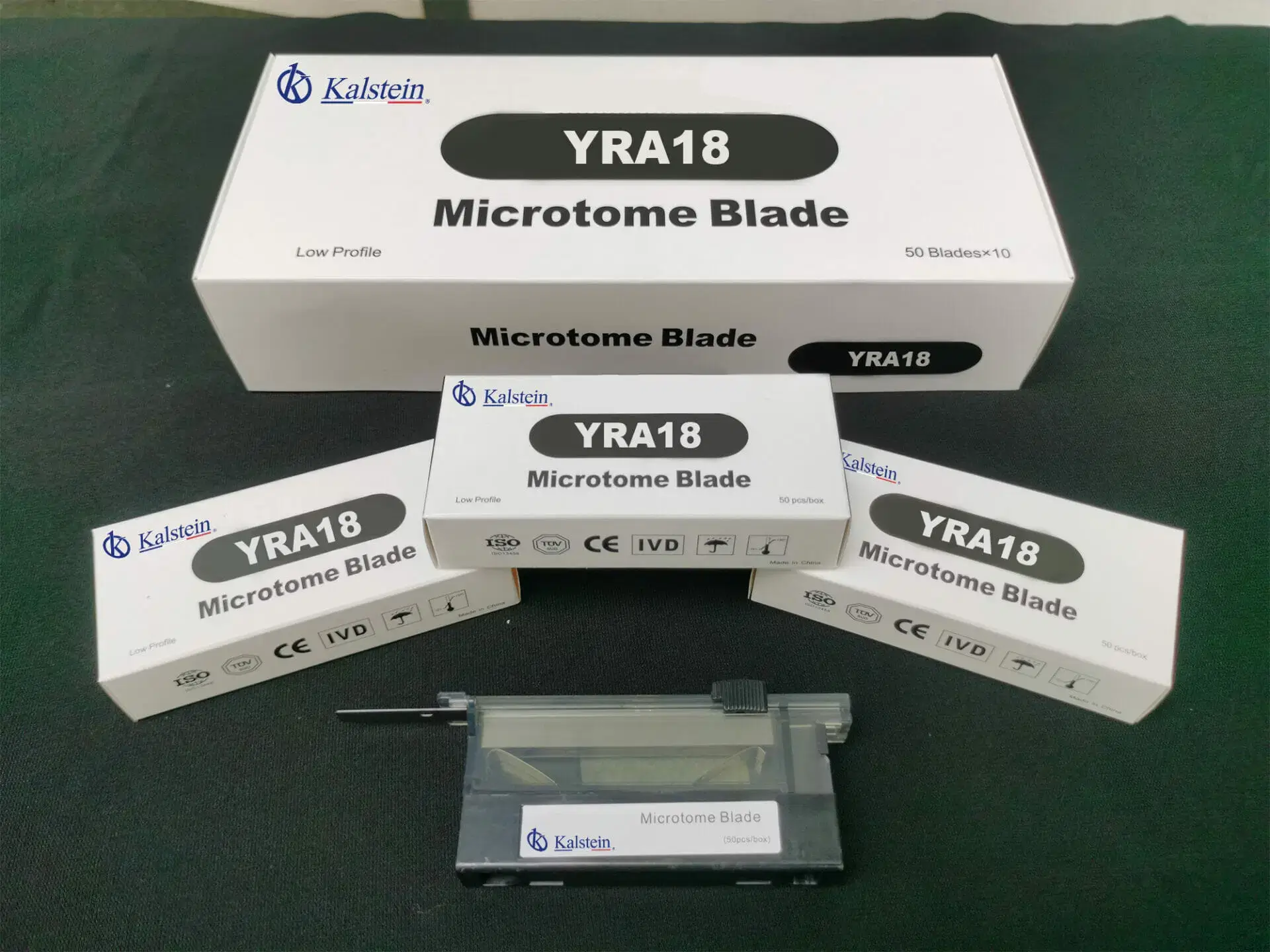
Histopathology Accessories And Consumables Package: Practical Step-by-Step Guide for 2026
Histopathology is a vital branch of medical science that involves the study of tissues to diagnose diseases. In 2026, laboratory professionals have access to a variety of histopathology accessories and consumables that enhance workflow efficiency and accuracy. Understanding how to select and utilize these tools is essential for optimal outcomes in laboratory settings.
What is it used for in 2026
In the modern laboratory, histopathology accessories and consumables are used to prepare, process, and analyze tissue samples. These consumables ensure accurate diagnosis, minimize errors, and save time through effective workflows. Key tools in this category include disposable microtome blades, tissue embedding cassettes, paraffin blocks, and granular paraffin, all designed to meet the high demands of contemporary histopathological practices.
History and evolution of the technology
The evolution of histopathology consumables spans several decades, transitioning from traditional methods to advanced, high-quality disposable tools. Early histopathological practices relied heavily on reusable equipment, which frequently resulted in contamination and errors. Over time, the adoption of disposable items like microtome blades and embedding cassettes has improved sample integrity and laboratory safety, leading to better diagnostic accuracy.
How to use it step by step
Using histopathology accessories and consumables involves several critical steps:
- Sample Collection: Collect tissue samples in sterile conditions to prevent contamination.
- Tissue Processing: Utilize disposable microtome blades, such as YRA18-1 or YRA19-1, to create thin sections of the sample.
- Embedding: Place the sections into tissue embedding cassettes (e.g., YRA20-1) filled with molten paraffin.
- Sectioning: After solidification, use a microtome to cut the paraffin blocks into thin slices for microscopy.
- Staining: Apply appropriate staining techniques to visualize cellular structures under a microscope.
Best techniques and protocols
To achieve the best results in histopathology, consider the following techniques and protocols:
- Microtomy: Ensure blades are sharp and appropriate for the sample type to achieve optimal section thickness.
- Embedding: Maintain proper embedding conditions, including temperature and time, to preserve tissue morphology.
- Staining: Use standardized staining protocols to ensure consistency in the microscopic examination of samples.
Practical applications by laboratory type
Different laboratory types utilize histopathology accessories and consumables in various ways:
- Clinical Laboratories: Use disposable microtome blades and embedding cassettes for rapid and accurate diagnosis of diseases.
- Research Laboratories: Employ granular paraffin and paraffin blocks to prepare samples for experimental studies.
- Pathology Departments: Rely on high-quality consumables to ensure reliable sample processing for biopsies and surgical specimens.
Regulations, standards and certifications
Compliance with regulations and standards is crucial in histopathology. Laboratories must adhere to guidelines set by organizations such as the Clinical Laboratory Improvement Amendments (CLIA) and the College of American Pathologists (CAP). Certifications related to quality management systems, such as ISO 15189, ensure that laboratories maintain high-quality processes throughout sample handling.
Comparison with alternative technologies
While histopathology consumables are essential, alternative technologies, such as digital pathology and molecular diagnostics, are emerging. Digital pathology allows for virtual slide analysis, which can streamline workflows and improve diagnostic accuracy. However, traditional histopathology remains the gold standard for many applications due to its established methodologies and reliability.
Comparison of available models
| Model | Best for | Key specs | Recommended use case |
|---|---|---|---|
| YRA18-1 | Low profile microtomy | 250 boxes | Ideal for routine sectioning of soft tissues. |
| YRA19-1 | High profile microtomy | 40 boxes | Best for hard tissue sectioning requiring finer cuts. |
| YRA20-1 | Tissue embedding | 9000 pieces | Used for embedding various tissue types in paraffin. |
| YRA21-1 | Plastic cassettes | 4000 pieces | Recommended for reliable tissue processing and storage. |
| YRA33-2 | Paraffin blocks | 10kgs (20 boxes)/Carton | Used for embedding large tissue samples. |
| YRA33-3 | Granular paraffin | 10 KG (10 bags)/Carton | Best for creating custom paraffin blocks. |
Common mistakes and how to avoid them
Laboratory professionals often encounter several pitfalls when using histopathology accessories and consumables. Here are common mistakes and how to avoid them:
- Using dull blades: Always ensure blades are sharp to avoid tearing tissues.
- Improper embedding temperature: Maintain the correct temperature when embedding to preserve tissue morphology.
- Inconsistent staining procedures: Follow standardized protocols for staining to ensure reproducibility.
Maintenance, calibration and good practices 2026
Maintaining histopathology accessories and consumables involves several key practices:
- Storage: Store consumables in a clean, dry environment to prevent contamination.
- Inspection: Regularly inspect items for damage or expiration before use.
- Documentation: Keep detailed records of all consumables used to ensure traceability and compliance.
Cost-benefit analysis 2026
Conducting a cost-benefit analysis of histopathology accessories and consumables is essential for laboratory managers. Consider the following:
- Quality vs. Cost: Investing in high-quality consumables can reduce errors and enhance diagnostic accuracy, leading to long-term savings.
- Efficiency Gains: Utilizing disposable items saves time in cleaning and reprocessing, allowing laboratory staff to focus on critical tasks.
Frequently asked questions
What are the key factors to consider when choosing histopathology consumables?
When selecting histopathology consumables, consider factors such as compatibility with existing equipment, the quality of materials, and the specific requirements of tissue types being handled.
How often should I replace disposable microtome blades?
Disposable microtome blades should be replaced regularly based on usage frequency, and any signs of dullness or wear should prompt immediate replacement to maintain sample integrity.
What are the best practices for embedding tissue samples?
Best practices involve ensuring that the embedding medium is at the correct temperature, using proper orientation of tissues in the embedding cassette, and allowing adequate time for solidification.
Can I reuse histopathology consumables?
Generally, it is not recommended to reuse histopathology consumables due to contamination risks and potential impact on diagnostic accuracy.
How do I ensure compliance with regulations in my laboratory?
Stay updated on relevant regulations and standards, implement quality management systems, and conduct regular audits to ensure compliance in histopathology practices.
What is the importance of staining in histopathology?
Staining is crucial as it enhances the visibility of cellular structures, allowing pathologists to make accurate diagnoses based on morphological characteristics.
If you are looking for a fusion of innovation and quality, you have come to the right place. At Kalstein, we offer you the luxury of exploring our exclusive catalog of laboratory equipment. We manufacture every device to the highest standards of excellence. Our intuitive and seamless online purchasing channels are designed for your convenience, securing the most competitive prices. Hesitate no longer — we bring science to life, it is time to become part of our community.