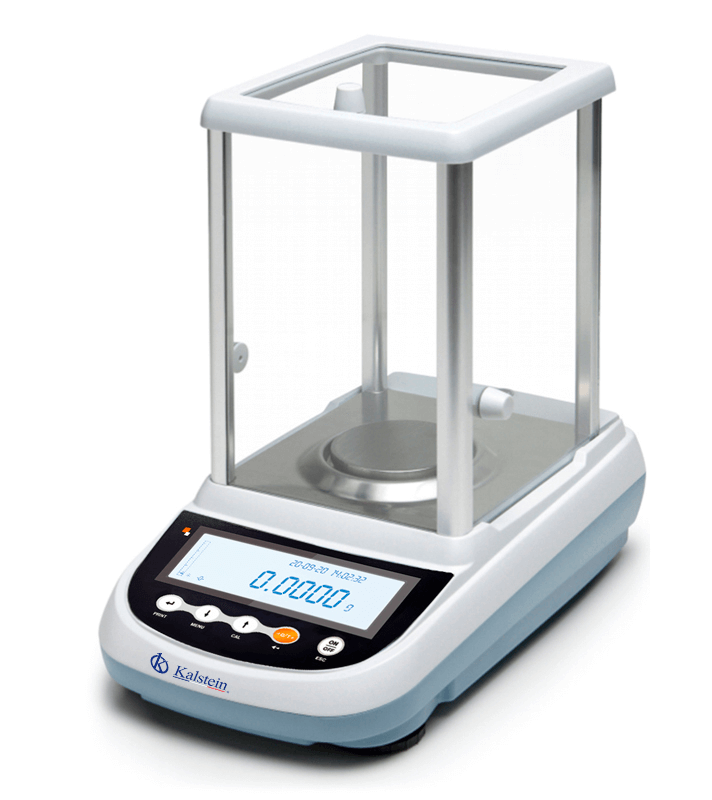
Analytical Balances: LIMS Integration and Data Flow Digitalization 2026
In the ever-evolving landscape of laboratory environments, analytical balances are pivotal for ensuring precise measurements, particularly in the context of Laboratory Information Management Systems (LIMS) and the digitalization of data flows. This article will delve into how modern analytical balances can enhance operational efficiency, improve data integrity, and streamline processes within laboratories as we move into 2026.
Framing Analytical Balances through LIMS Integration
Analytical balances are essential tools for laboratories that prioritize accuracy and reliability in measurements. As laboratories increasingly adopt LIMS, the integration of analytical balances into these systems marks a significant advancement in laboratory management. This integration facilitates seamless data exchange, ensuring that measurement data is accurately recorded, processed, and utilized within broader laboratory workflows.
For instance, integrating models such as the YR05568 and YR05573 allows for automatic data transfer via protocols like RS232. This capability not only reduces human error but also enhances compliance with regulatory standards by ensuring real-time entry of measurement data.
Comparison of Available Models
| Model | Capacity (g) | Resolution (g) | Key Feature | Best for |
|---|---|---|---|---|
| YR05568 | 220 | 0.1 mg | Internal Calibration | General laboratory use |
| YR05569 | 310 | 0.1 mg | High stability | Precise measurements |
| YR05570 | 410 | 0.1 mg | Fast response | High-throughput applications |
| YR05571 | 510 | 0.1 mg | LCD Display | Research laboratories |
| YR05572 | 610 | 0.1 mg | Automatic Internal Calibration | Quality control labs |
| YR05573 | 100 | 0.0001 g | Touch Panel | Jewelry and high precision |
Understanding LIMS Integration with Analytical Balances
The integration of analytical balances with LIMS is multifaceted, involving connectivity protocols that enable data exchange. Protocols such as RS232 are commonly used to facilitate communication between analytical balances and LIMS. This section will explore how these integrations simplify data management and improve laboratory productivity.
Connectivity Protocols
Connectivity is crucial for the effective integration of analytical balances into LIMS. Each model potentially supports a range of protocols. For example, the YR05568 and YR05573 utilize RS232 for seamless data transfer. This protocol allows for real-time updates of measurement data, ensuring that laboratory personnel can access accurate records without manual entry, which significantly reduces the risk of errors.
Data Sovereignty and Security
As laboratories embrace digitalization, data sovereignty becomes paramount. LIMS-integrated analytical balances help maintain data integrity and compliance with regulatory requirements by ensuring that measurement records are securely stored and easily retrievable. This is particularly beneficial for laboratories that need to adhere to standards such as ISO 17025.
Automation and Workflow Optimization
Automation in laboratories is not just a trend; it is a necessity for improving efficiency and consistency. Analytical balances like the YR05572 facilitate automated weighing processes, which can be integrated into larger workflows managed by LIMS.
Benefits of Workflow Automation
Automation can lead to significant improvements in throughput. For instance, by integrating YR05570 into an automated system, laboratories can achieve faster measurement cycles, thereby increasing the number of samples processed per hour. This is crucial for high-demand environments such as pharmaceutical production or quality control laboratories.
Common Mistakes and How to Avoid Them
Despite the benefits of integrating analytical balances with LIMS, laboratories often encounter pitfalls that can undermine efficiency and accuracy. This section discusses common mistakes and provides practical solutions.
Neglecting Calibration
One common mistake is neglecting regular calibration checks. Models like the YR05569 have internal calibration features that should be utilized to ensure ongoing accuracy. Failing to adhere to a calibration schedule can lead to significant measurement errors, which can compromise laboratory results.
Insufficient Training
Inadequate training on using both analytical balances and LIMS can hinder effective integration. Ensuring that laboratory personnel are well-trained can mitigate this issue. Implementing regular training sessions to familiarize staff with new systems and models will enhance operational success and data accuracy.
Frequently Asked Questions
What are the best practices for LIMS integration with analytical balances in 2026?
Best practices include utilizing connectivity protocols such as RS232 for seamless data transfer and ensuring that all models, including the YR05568 and YR05573, are regularly calibrated to maintain measurement accuracy. Training staff thoroughly on these systems also enhances integration success.
How can I ensure data accuracy from my analytical balance in a LIMS environment?
To ensure data accuracy, regularly calibrate your analytical balance models like the YR05571 and integrate them with LIMS to automate data entry. This reduces human error and allows for real-time data validation within the laboratory workflow.
Which analytical balance model is ideal for high-throughput labs in 2026?
The YR05570 is specifically designed for high-throughput applications, featuring rapid response times and a high capacity of 410 grams, making it suitable for busy laboratories requiring efficiency and precision.
What are the connectivity options for analytical balances in LIMS integration?
Models such as the YR05572 typically support connectivity through RS232, which allows for smooth data integration into LIMS systems, facilitating real-time data flow and improving overall workflow efficiency.
How does the YR05573 support digital data flow in laboratories?
The YR05573 supports digital data flow through its advanced features like a touch panel and automatic internal calibration, ensuring that measurements are accurately recorded and transferred to the LIMS, enhancing data management.
Which analytical balance model offers the best stability for sensitive measurements?
The YR05569 provides exceptional stability due to its integrated load cell design, making it ideal for sensitive measurements in laboratories where precision is critical.
How often should analytical balances be calibrated in a digital lab setup?
Analytical balances, including models like the YR05572, should typically be calibrated at least once a month or whenever there is a significant change in temperature or usage to maintain optimal accuracy in measurements.
What role do analytical balances play in achieving ISO 17025 compliance?
Analytical balances are crucial for achieving ISO 17025 compliance by ensuring accurate measurement data is recorded and maintained. Models like the YR05568 help laboratories meet the stringent requirements for precision and traceability.
If you are looking for a fusion of innovation and quality, you have come to the right place. At Kalstein, we offer you the luxury of exploring our exclusive catalog of laboratory equipment. We manufacture every device to the highest standards of excellence. Our intuitive and seamless online purchasing channels are designed for your convenience, securing the most competitive prices. Hesitate no longer — we bring science to life, it is time to become part of our community.