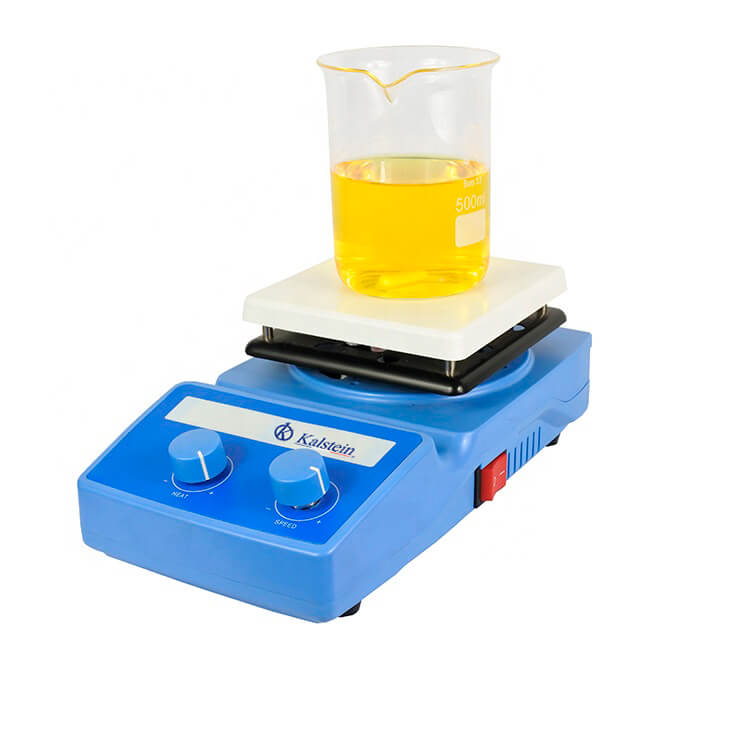
Analog Ceramic Top Hotplate Stirrers: Best Practices and Techniques in 2026
What is it used for in 2026
Analog Ceramic Top Hotplate Stirrers are essential laboratory devices utilized for heating and stirring liquid samples efficiently. Primarily used in chemistry and biology laboratories, they provide a controlled heating source while ensuring thorough mixing of solutions. In 2026, these devices are favored for their reliability, ease of use, and ability to function quietly compared to motor-driven stirrers. They are increasingly being implemented in various applications ranging from simple heating tasks to complex experimental setups, allowing laboratory professionals to achieve consistent results.
History and evolution of the technology
The evolution of hotplate stirrers has significantly shaped laboratory practices. Initially, heating methods were rudimentary, relying on open flames and heated stones. With the advent of electric heating devices in the mid-20th century, the field saw a transformation that emphasized safety and precision. The introduction of ceramic tops provided a non-corrosive and easy-to-clean surface, which further improved laboratory safety. By 2026, advancements in PID (Proportional-Integral-Derivative) temperature control systems have enhanced the accuracy of these devices, allowing precise thermal regulation necessary for sensitive experiments.
How to use it step by step
Using an Analog Ceramic Top Hotplate Stirrer is straightforward. Follow these steps for optimal operation:
- Setup: Place the hotplate stirrer on a stable, level surface away from any flammable materials.
- Choosing the right container: Select a container suitable for the volume and type of liquid you will be working with, ensuring it is compatible with the stirrer's maximum capacity.
- Loading the sample: Pour your liquid into the container, making sure to leave enough space to prevent spills during stirring.
- Inserting the stir bar: Add a magnetic stir bar to the container to facilitate stirring. Ensure it is sized appropriately for the container.
- Setting temperature: Turn on the hotplate, set the desired temperature using the control knob, and monitor the readout for accuracy.
- Starting the stirrer: Activate the stirring function and adjust the speed as necessary.
- Monitoring: Keep an eye on the temperature and stirring speed throughout the heating process to ensure uniform mixing.
- Finishing up: Once the desired temperature and mixing are achieved, turn off the hotplate stirrer and allow the container to cool before handling.
Best techniques and protocols
To ensure effective use of Analog Ceramic Top Hotplate Stirrers, consider the following techniques and protocols:
- Calibration: Regularly calibrate the temperature settings to maintain accuracy.
- Container choice: Use glass or ceramic containers to prevent reactions with the heating surface.
- Stirring speed: Optimize the stirring speed based on the viscosity of the liquid; slower speeds are better for more viscous solutions.
- Safety precautions: Always wear appropriate personal protective equipment (PPE) when handling chemicals and hot equipment.
- Preheating: Consider preheating the hotplate before introducing your sample for more consistent results.
Practical applications by laboratory type
Analog Ceramic Top Hotplate Stirrers are versatile and can be utilized across various laboratory types:
- Chemistry Labs: Ideal for solution preparation and chemical reactions requiring precise heating and mixing.
- Biology Labs: Useful for cell culture media preparation and experiments involving biological samples.
- Environmental Labs: Employed in analyzing soil and water samples by maintaining consistent heating during testing.
- Pharmaceutical Labs: Critical for drug formulation processes where temperature control is paramount.
- Food Science Labs: Applied in food testing procedures to ensure thorough mixing and safe heating of samples.
Regulations, standards and certifications
In 2026, the use of Analog Ceramic Top Hotplate Stirrers must comply with various laboratory safety regulations and standards. These may include:
- ISO Standards: Ensure equipment meets International Organization for Standardization (ISO) guidelines for laboratory equipment.
- CE Marking: Products sold in Europe must comply with European health, safety, and environmental protection standards.
- Manufacturer Certifications: Look for certifications from recognized bodies to guarantee safety and quality.
Comparison with alternative technologies
When considering heating and stirring options, it is vital to compare Analog Ceramic Top Hotplate Stirrers with alternative technologies:
- Magnetic Stirring Hotplates: Offer similar functionality but may lack the precision of PID-controlled hotplates.
- Infrared Heaters: Provide direct heating but may not facilitate mixing.
- Induction Heaters: More energy-efficient but can be more expensive and require compatible cookware.
Comparison of available models
| Model | Best for | Key specs | Recommended use case |
|---|---|---|---|
| YR02933 | Basic heating and stirring tasks | Dimensions: x x, Price: $125.00 | Ideal for simple laboratory applications requiring minimal features. |
| YR02934 | Small-scale chemical experiments | Working area: 180 x 180 mm, Price: $152.00 | Best suited for small volumes and precise temperature control. |
| YR02935 | Medium volume stirring | Heating power: 750 W, Price: $190.00 | Recommended for laboratories handling larger sample sizes and requiring higher power. |
| YR02936 | High-precision applications | Power: 450 W, Price: $265.00 | Best for precise and sensitive experiments needing strict temperature control. |
Common mistakes and how to avoid them
To ensure the longevity and proper functioning of your hotplate stirrer, avoid these common mistakes:
- Overloading: Do not exceed the maximum capacity of the stirrer as this can lead to malfunctions.
- Incorrect temperature settings: Always double-check temperature settings to prevent overheating and damage to samples.
- Neglecting maintenance: Regularly clean and inspect the hotplate and stirrer for optimal performance.
- Using incompatible containers: Avoid using containers made of materials that could react with heat or chemicals.
Maintenance, calibration and good practices 2026
Maintaining and calibrating your Analog Ceramic Top Hotplate Stirrer is crucial for its efficiency:
- Regular Cleaning: Clean the ceramic surface after every use to prevent chemical residue build-up.
- Calibration: Perform calibration checks monthly or after extensive use to ensure accuracy in temperature readings.
- Inspection: Regularly inspect cords, plugs, and controls for wear or damage.
- Safe Storage: Store the device in a dry, dust-free environment when not in use.
Cost-benefit analysis 2026
When considering the investment in Analog Ceramic Top Hotplate Stirrers, a cost-benefit analysis is essential:
- Initial Cost: Prices range from $125.00 to $265.00, depending on features and specifications.
- Operational Efficiency: Their precision and reliability can reduce sample waste and improve results, leading to long-term cost savings.
- Longevity: With proper maintenance, these devices can last many years, justifying the initial investment.
Frequently asked questions
What are the advantages of using ceramic tops?
Ceramic tops are non-reactive, easy to clean, and provide uniform heating, making them ideal for laboratory use.
How do I select the right model for my needs?
Consider your specific application requirements, such as volume, heating capacity, and precision needed, to select the most suitable model.
Can I use these devices for highly viscous liquids?
Yes, however, ensure you select a model with sufficient stirring power to handle the viscosity.
Is temperature calibration necessary for all experiments?
While not always mandatory, regular calibration is recommended for experiments requiring high precision to ensure accurate results.
What safety measures should I follow while using these devices?
Always wear appropriate PPE, avoid touching hot surfaces, and ensure adequate ventilation when working with volatile chemicals.
Can I use the stirrer without heating?
Yes, you can use the stirring function independently of the heating feature, allowing for versatile applications.
How can I request a quote for a specific model?
You can easily request a quote by contacting our sales team directly to discuss your specific requirements.
If you are looking for a fusion of innovation and quality, you have come to the right place. At Kalstein, we offer you the luxury of exploring our exclusive catalog of laboratory equipment. We manufacture every device to the highest standards of excellence. Our intuitive and seamless online purchasing channels are designed for your convenience, securing the most competitive prices. Hesitate no longer — we bring science to life, it is time to become part of our community.