Pathological Anatomy
Pathological anatomy is a crucial discipline in medical and veterinary sciences that involves the study of structural and functional changes in cells, tissues, and organs caused by diseases. It plays a vital role in diagnosing illnesses, guiding treatment plans, and advancing medical research. This field encompasses both macroscopic and microscopic examination techniques to provide accurate and detailed insights into pathological conditions.
The applications of pathological anatomy extend to various settings, including hospitals, laboratories, and veterinary clinics, where precise diagnosis and analysis are essential. It encompasses advanced methodologies such as histopathology, immunohistochemistry, and molecular pathology to detect abnormalities and understand disease progression. Ensuring the proper environment and equipment, like slide warmers and cooling plates, is fundamental for optimal sample preservation and analysis.

Types of Pathological Anatomy Equipment Your Laboratory May Need

Slide Warmers
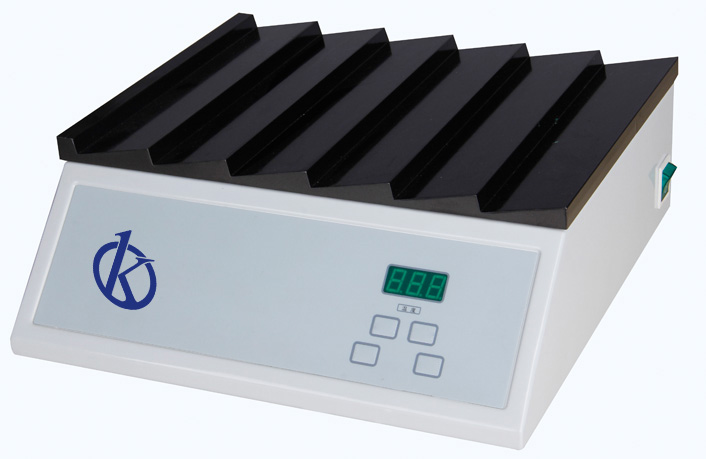
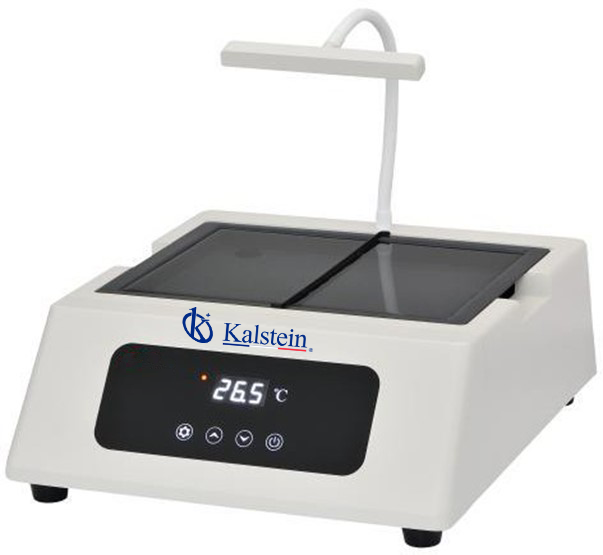
Slide warmers are essential tools in pathological anatomy laboratories, designed to gently heat microscope slides to enhance sample adherence and staining quality. They ensure that tissue sections remain properly fixed on slides during the staining process, preventing detachment or wrinkling which could compromise diagnostic accuracy.
These devices are widely applied in clinical and veterinary labs to improve workflow efficiency and sample consistency. With adjustable temperature controls and uniform heating surfaces, slide warmers help maintain reliability in daily pathological examinations and reduce sample processing errors.
Cooling Plates
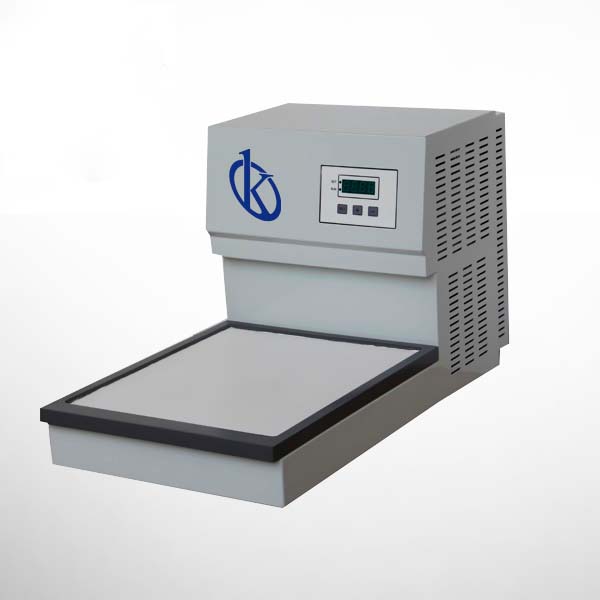
Cooling plates are indispensable in pathological anatomy for preserving samples at low temperatures to prevent degradation during analysis. They provide a stable cooled surface for maintaining tissue integrity, particularly during prolonged examination or staining procedures that require cold conditions.
These plates are commonly used in laboratories to improve the quality of histological preparations by controlling temperature fluctuations. Their efficient cooling mechanisms help extend sample viability and ensure precise diagnostic results in both medical and veterinary settings.

What You Need to Know Before Choosing Pathological Anatomy Equipment and Making an Investment
Key Factors to Consider
When selecting pathological anatomy equipment, critical factors include temperature stability, uniform heat or cooling distribution, ease of cleaning, and compatibility with laboratory workflows. Precision instruments must maintain consistent temperatures to avoid sample damage or alteration that could affect diagnostic outcomes.
Other key considerations involve device size relative to laboratory space, energy consumption, reliability, and additional features such as digital displays and timers. Ensuring user-friendly operation and proper maintenance support is essential to maximize equipment lifespan and performance.

Price Range in the Market
The price range for pathological anatomy equipment varies widely depending on brand, capacity, technological sophistication, and features. Entry-level units such as basic slide warmers or cooling plates may be more affordable, while advanced models with digital controls and enhanced precision command higher prices.
Investing in high-quality equipment often requires balancing initial costs with long-term benefits such as durability, accuracy, and service support. Bulk or bundled purchases can sometimes lead to better pricing options for laboratories equipping multiple workstations.

Quality-Price Ratio
The quality-price ratio is a significant consideration when acquiring pathological anatomy devices. High-quality products from reputable manufacturers like Kalstein provide reliable performance and minimize downtime, which translates into cost savings over time despite potentially higher upfront expenditures.
Choosing equipment with strong warranties, low maintenance requirements, and proven reliability helps ensure value for money. Additionally, considering energy efficiency and ease of integration into laboratory protocols enhances overall cost-effectiveness.

Expected Lifespan Based on Use and Maintenance
The expected lifespan of pathological anatomy equipment depends heavily on usage intensity, maintenance practices, and environmental conditions. Devices that are regularly cleaned, calibrated, and serviced tend to perform optimally for many years without significant degradation.
Proper handling during daily operations and adherence to manufacturer guidelines effectively extend the useful life of equipment. Investing in quality models coupled with routine technical support from providers like Kalstein ensures consistent diagnostic accuracy and operational continuity.

PATHOLOGICAL ANATOMY EQUIPMENT BY KALSTEIN
Among many products, at Kalstein you can find the ideal pathological anatomy equipment for your laboratory
If you are unsure about what pathological anatomy equipment to buy, it is essential to consider factors such as sample type, temperature control accuracy, compatibility with existing laboratory infrastructure, and budget constraints to ensure optimal performance and long-term reliability in your clinical or veterinary setting.

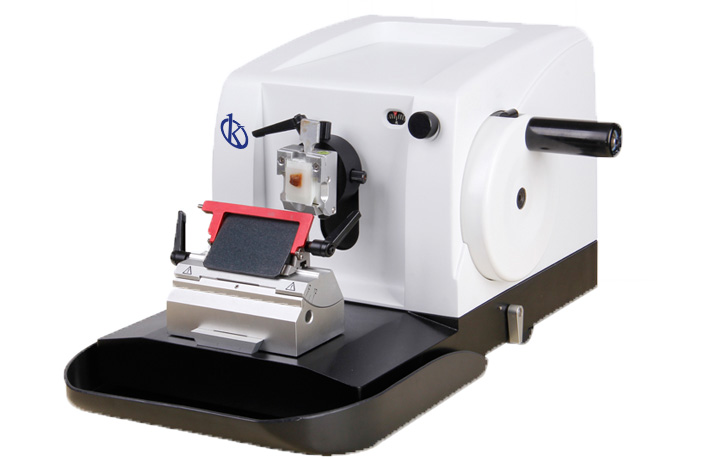
Rotary microtome YR422
The YR422 Rotary Microtome is an advanced tool from the 202 series, designed to offer precision and safety in sample sec…

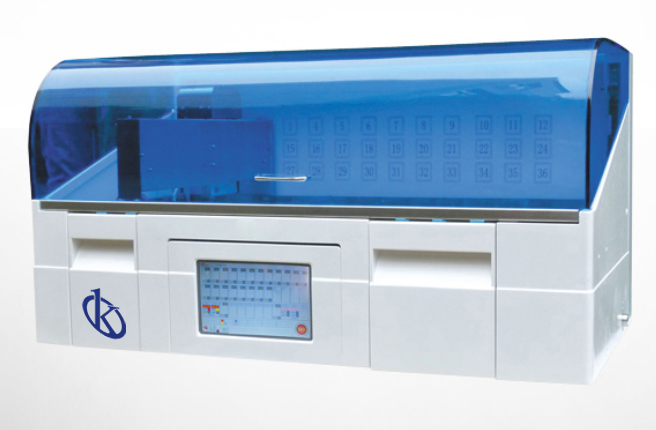
YR06699-YR06700 Slide Drying Cabinet
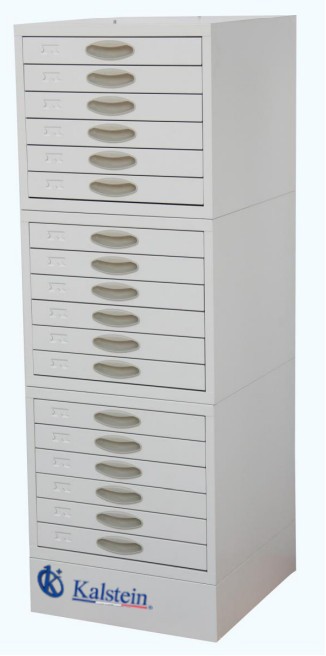
The YR06699-YR06700 Slide Drying Cabinet is the ideal solution for laboratories requiring efficient and secure storage…

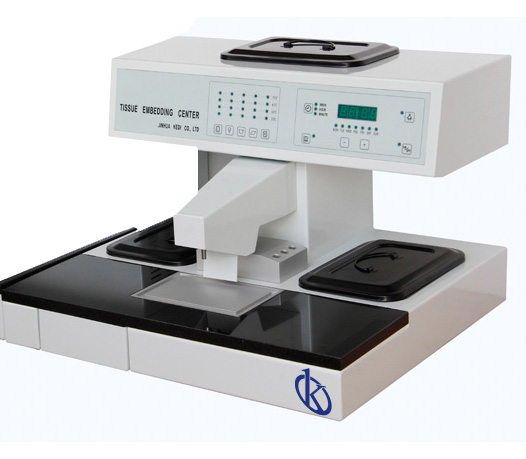
Tissue Embedding Center YR439
The YR439 Tissue Embedding Center is an advanced paraffin dispensing unit designed to optimize tissue processing in hist…

Manual microtome YR418
The Manual Microtome YR418 is designed to meet the multiple needs of histology and histopathology laboratories. It is al…
Our product of Anatomía Patológica most sold
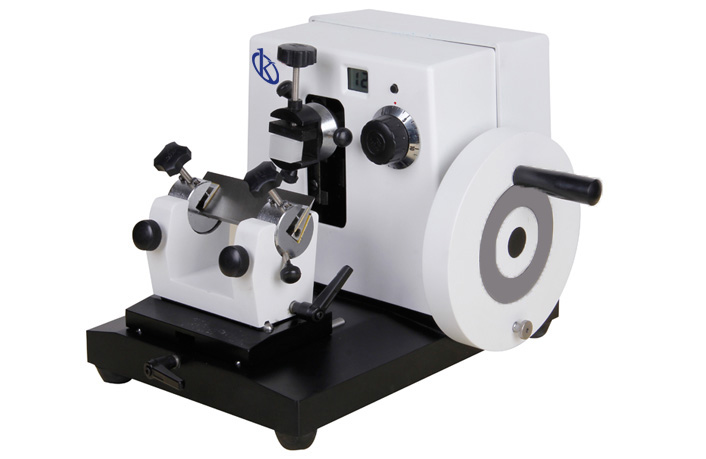
The YR422 Rotary Microtome is an advanced tool from the 202 series, designed to offer precision and safety in sample sectioning. This microtome is distinguished by its streamlined casing, which can be locked in the highest position, ensuring stability and safety during the cutting process. Additionally, it features a safe specimen cassette and an LCD screen that shows the number of sections and trims, facilitating monitoring and control of the process. Equipped with a safety alert system, the YR422 is…
This model allows for an adjustable trimming thickness range from 0 to 500 μm and a minimum cutting thickness setting of 1 μm, ensuring uniform and precise sections. The blade holder can move forward, backward, left, or right, making cutting and sectioning operations easier. With an XY-8° sample orientation, a 30 mm horizontal feed, and a 55 mm vertical stroke, the YR422 is designed to handle samples up to 50 × 60 mm with a precision error of ±5%.
| Model | YR422 |
| Trimming Thickness Setting Range | 0– 500μm |
| Minimum Setting of Sectioning Thickness | 1μm |
| Specimen Orientation | XY – 8° |
| Total Horizontal Specimen Feed | 30mm |
| Vertical Specimen Stroke | 55mm |
| Movement Range of the Base of BladeHolder Base | 0-50mm (front to back) |
| Movement Range of the Knife | 0-20mm |
| Maximum Specimen Size | 50×60mm |
| Precision Error | ±5% |
| Dimensions | 340×335×270mm(W×D×H) |
| Net weight | 19kg |

Accurate equipment ensures precise pathological diagnosis and analysis.

Innovative Pathology: Discovering the Automatic Slide Stainer
The introduction of the Automatic Slide Stainer by Kalstein has revolutionized the pathology laboratory environment. As someone who has worked in labs where the…

Uses of ion meters in anatomic pathology
Pathological anatomy is a medical discipline dedicated to the study of human diseases through the examination of cells and tissues. In this context, ion meters,…
Exploring the diagnostic skills of the Pathology teams
In recent years, the diagnosis of the disease has become increasingly important in health-related fields, because more sophisticated tests have become available…

Innovative studies of the Anatomic Pathology teams
Innovative studies by Anatomic Pathology teams have revolutionized the diagnosis, treatment and follow-up of patients with chronic diseases; studying diseases f…
Pathological anatomy equipment on offer

YR06699-YR06700 Slide Drying Cabinet

YR440B Biological Tissue Freezer
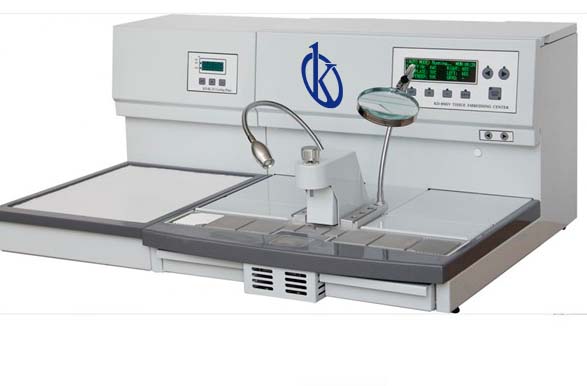
Biological tissue freeze embedding machine {6 liters, with cooling plate} YR448
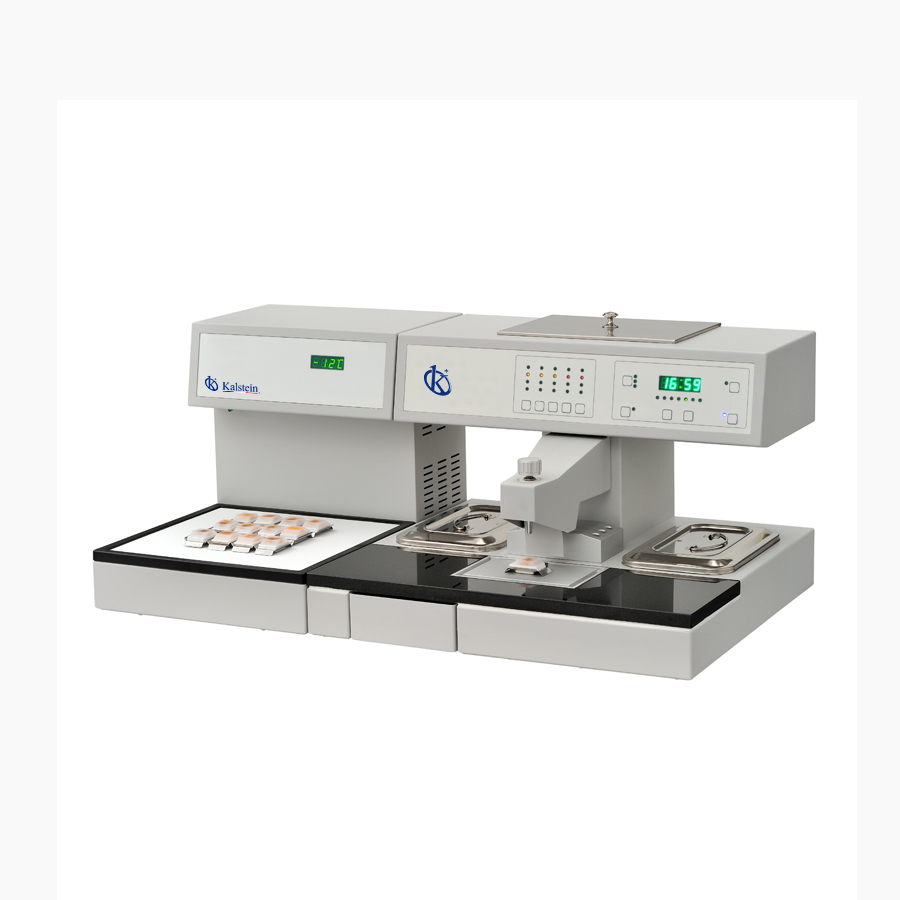
Tissue Embedding & Cooling System YR441
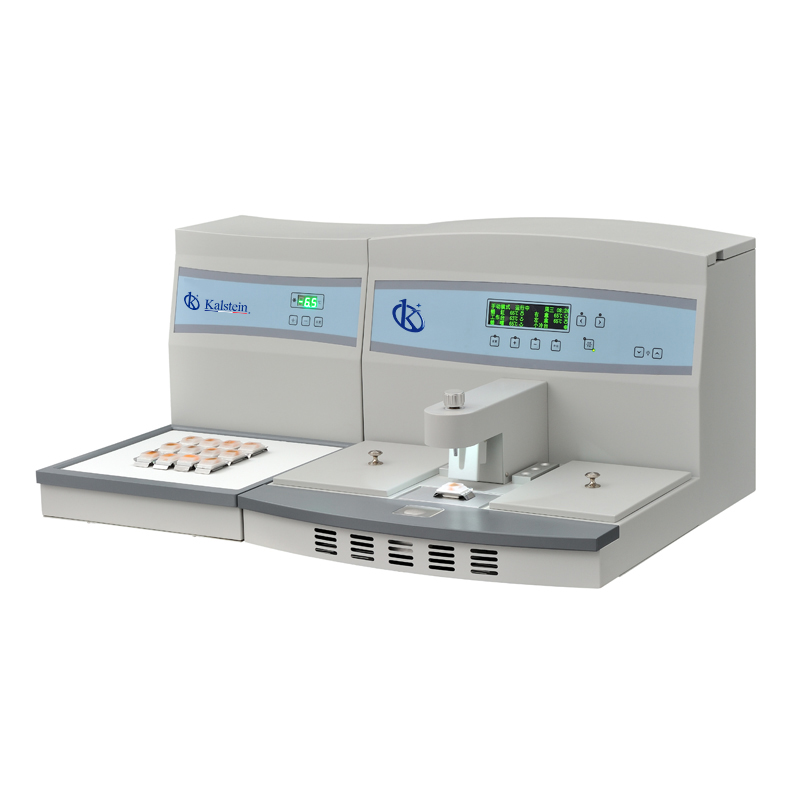
Tissue Embedding & Cooling System YR447
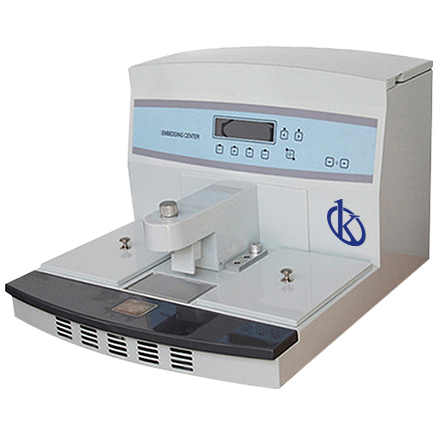
Tissue Inclusion Center YR445
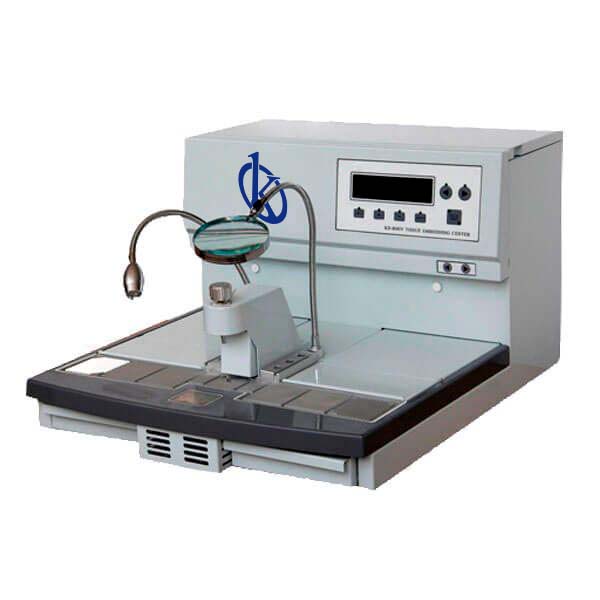
Inclusion Center YR439-1

Tissue Embedding Center YR439
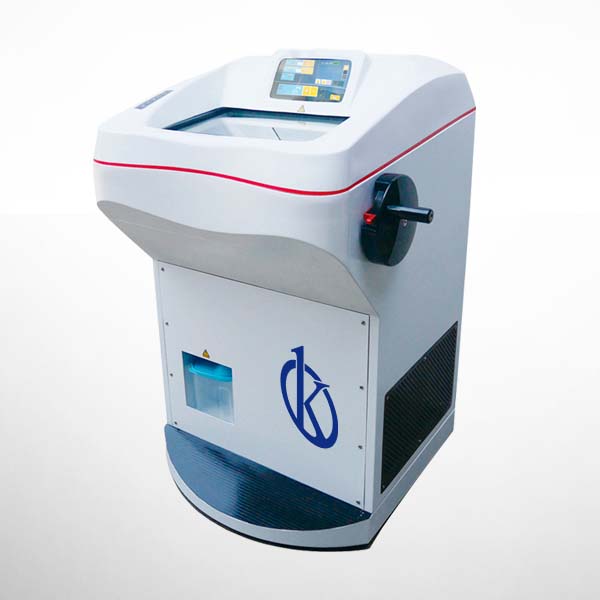
Kalstein offers reliable and advanced pathological anatomy solutions for professionals.
Explore detailed guides on maintaining and selecting pathological anatomy equipment effectively for optimized lab results and longevity.
Our comprehensive guides and expert recommendations help you understand every aspect of pathological anatomy equipment, from selection criteria to maintenance practices, enabling you to work like a true professional and maximize your investment.
Cutting edge technology in the Cryostat for Pathology Laboratory
In the medical pathology industry, tissue analysis has become an indispensable practice for diagnosing and identifying different diseases; these analy…
Learn how to use the Cryostat for your Pathology lab
The cryostat is a pathology laboratory tool used to perform biopsies of frozen tissues; this technique provides a higher quality of detail, allowing a…
Cutting-edge technology in the Criostato for Laboratory of Pathology
In the medical pathology industry, tissue analysis has become an indispensable practice for diagnosing and identifying different diseases; these analy…

Achieve better performances with the Cryostat for Pathology
The Cryostat is a pathology analysis device, created by a leading company in the field; this tool is used to make a fast and accurate reading of pathology exams.

FAQs
The delivery time for your Kalstein product will depend on the following:
- Whether the equipment of your interest is in stock or if it needs to be manufactured.
- The type of freight chosen, which can be either air or sea.
- Equipment in stock:
– Delivery Time (Air): 15-30 days.
– Delivery Time (Sea): 45-60 days.
- Equipment not in stock:
– Delivery Time (Air): 30-60 days.
– Delivery Time (Sea): 60-90 days.
You can make your purchase through:
- Email: [email protected]
- Phone: +33 (0) 1 70 39 26 50
- E-commerce: Through the official Kalstein website in your country.
At Kalstein, we provide our clients with inductions and technical support through new online methods. You can visit our induction videos, technical assistance, and guidance offered by the Kalstein team through our YouTube channel (Kalstein English). HERE.