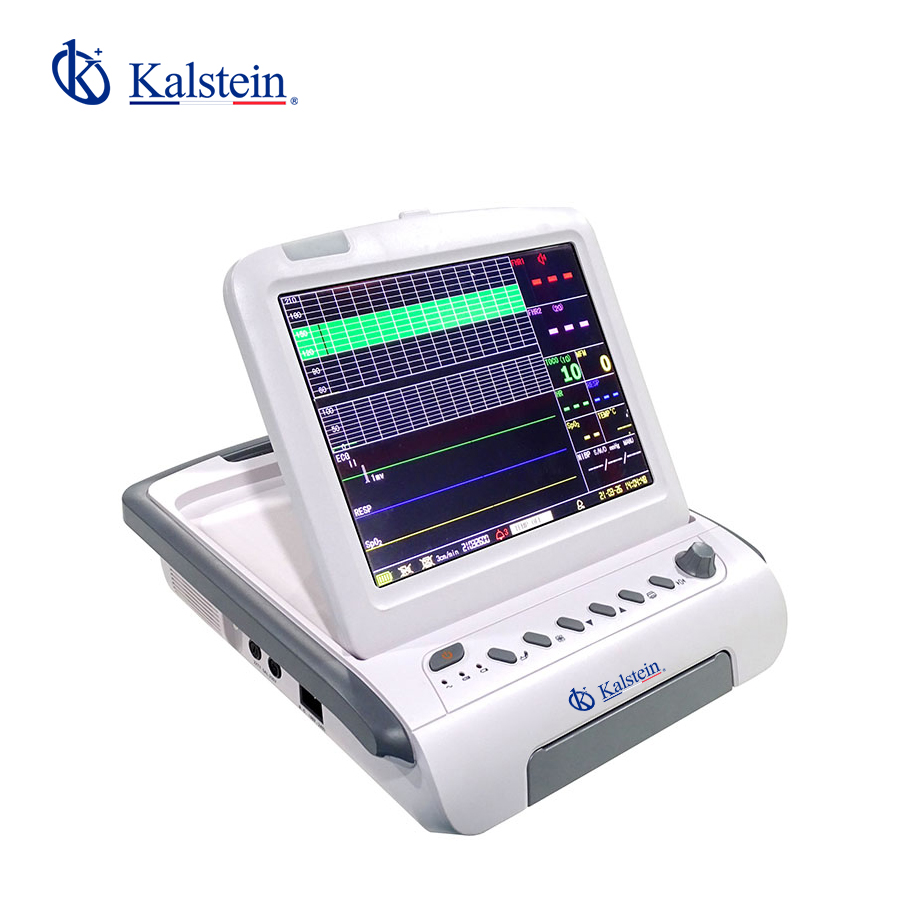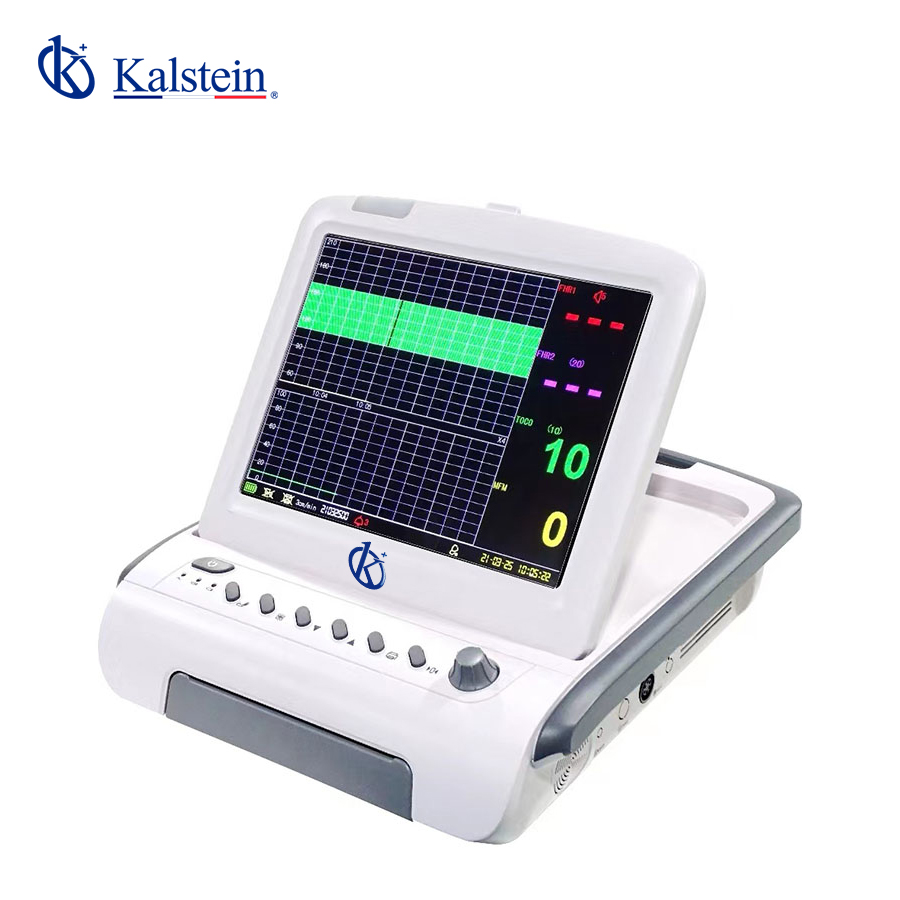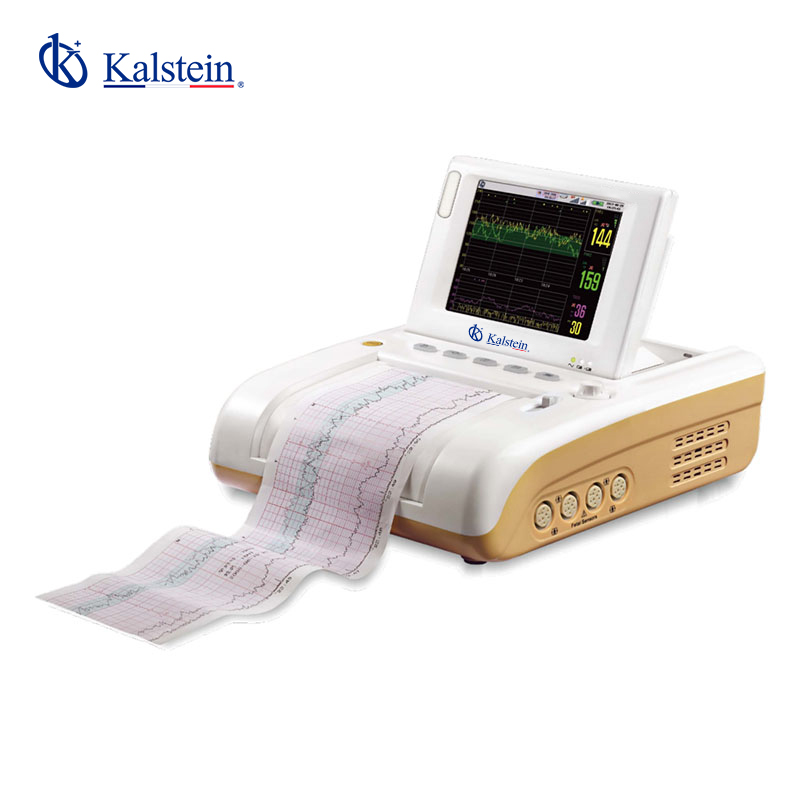
Patient And Fetal Monitor
Patient and fetal monitors are essential medical devices designed to provide continuous observation of both maternal and fetal vital signs during pregnancy, labor, and delivery. These monitors help healthcare professionals detect any abnormalities or complications early, ensuring timely interventions that can improve outcomes for both mother and baby. Their applications span prenatal clinics, hospitals, and specialized maternity wards, making them indispensable in obstetrics care.
These devices typically measure parameters such as fetal heart rate, uterine contractions, and maternal vital signs like blood pressure and oxygen saturation. The integration of advanced technologies, including wireless connectivity and touch-screen interfaces, enhances their usability and accuracy. Patient and fetal monitors come in portable and stationary models to suit different clinical environments, offering flexibility and improved patient monitoring wherever needed.

What You Should Know Before Selecting a Patient and Fetal Monitor and Making an Investment
Key Factors to Consider
When choosing a patient and fetal monitor, key factors include measurement accuracy, ease of use, and suitable alarm systems to alert caregivers of any critical changes. The monitor should offer reliable detection of fetal heart rates and contractions while providing clear, real-time maternal vital signs. Compatibility with existing hospital systems and data integration capabilities are also important considerations.
Other critical elements to evaluate include the device’s portability and battery life for use in various clinical settings, and the availability of user-friendly interfaces to ensure seamless operation by medical staff. Maintenance requirements, ease of cleaning, and durable design impact both the device’s longevity and patient safety.

Price Range in the Market
Patient and fetal monitors are available at different price points depending on their technical specifications, included features, and brand reputation. Basic models with fundamental monitoring capabilities may cost less, suitable for smaller clinics or limited budgets. Advanced units with wireless connectivity, high-resolution displays, and multi-parameter monitoring tend to be at the higher end of the price spectrum.
Price variability also depends on whether the device is portable or fixed, and if it supports integration with electronic medical records. Additional accessories and warranties can influence the total investment cost. When planning procurement, it is advisable to balance budget constraints with device performance requirements to ensure optimal clinical outcomes.

Quality-Price Ratio
The quality-price ratio of patient and fetal monitors is largely determined by the accuracy, reliability, and ease of use of the device. Investing in monitors from reputable suppliers like Kalstein guarantees advanced technology, robust build quality, and comprehensive customer support, delivering excellent value for the investment.
Lower-priced monitors may lack important features or durability, potentially increasing long-term operational costs. Assessing the total cost of ownership and potential maintenance expenses helps in identifying high-value products that will serve your clinical needs effectively over time.

Expected Lifespan Based on Usage and Maintenance
The expected lifespan of patient and fetal monitors depends on usage intensity, proper maintenance, and the clinical environment. Regular calibration, cleaning, and software updates extend device longevity and ensure consistent performance, mitigating risks associated with equipment failure.
Devices used in high-demand hospital settings may require more frequent servicing and eventual replacement sooner than those used occasionally in outpatient clinics. Understanding the impact of usage conditions aids in planning for timely upgrades and budget allocations.

KALSTEIN PATIENT AND FETAL MONITOR
Among so many products, at Kalstein you can find the ideal patient and fetal monitor for your Clinic
If you are unsure about which patient and fetal monitor to buy, consider the key clinical features you need, such as accurate fetal heart rate monitoring, ease of use, and connectivity options. Kalstein offers a wide range of monitors tailored to different clinical settings and patient needs, ensuring you find the solution that matches your specifications and budget effectively.

Patient Monitors YR02176
The Patient Monitor YR02176 is an essential tool in medical environments such as operating theaters and intensive care u…

Bedside Monitor YR02174
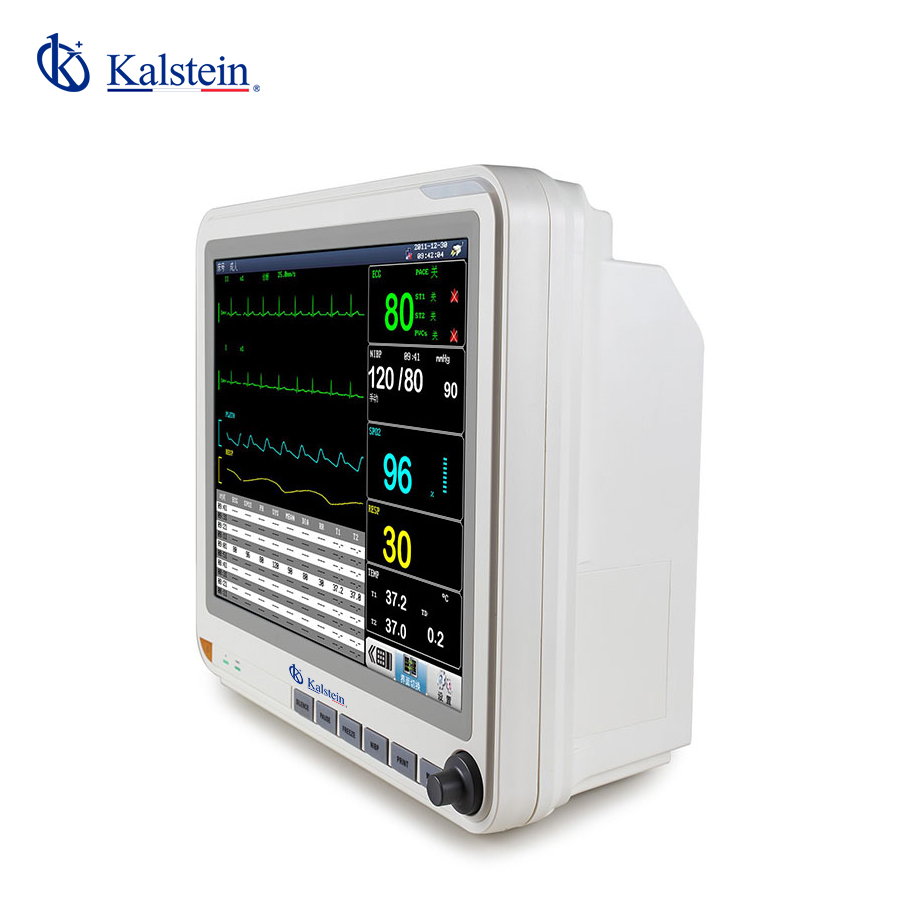
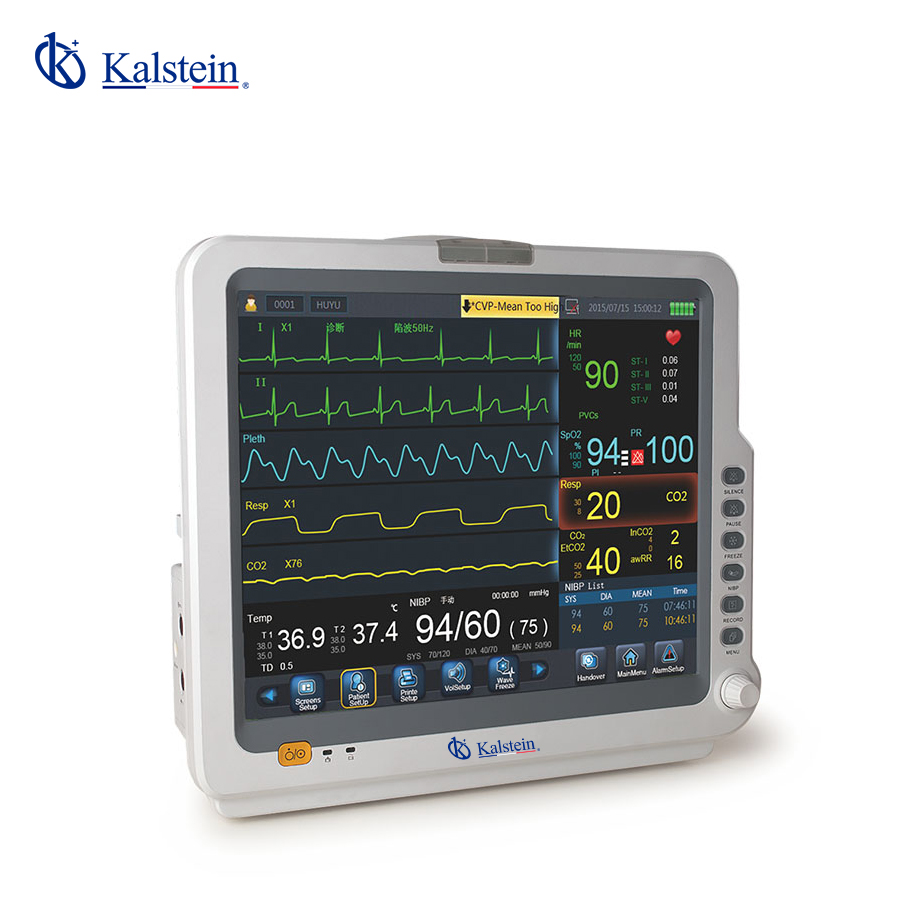
The Bedside Monitor YR02174 is a state-of-the-art, 15-inch multi-parameter patient monitor designed to provide comprehen…

Fetal Monitor YR02190C
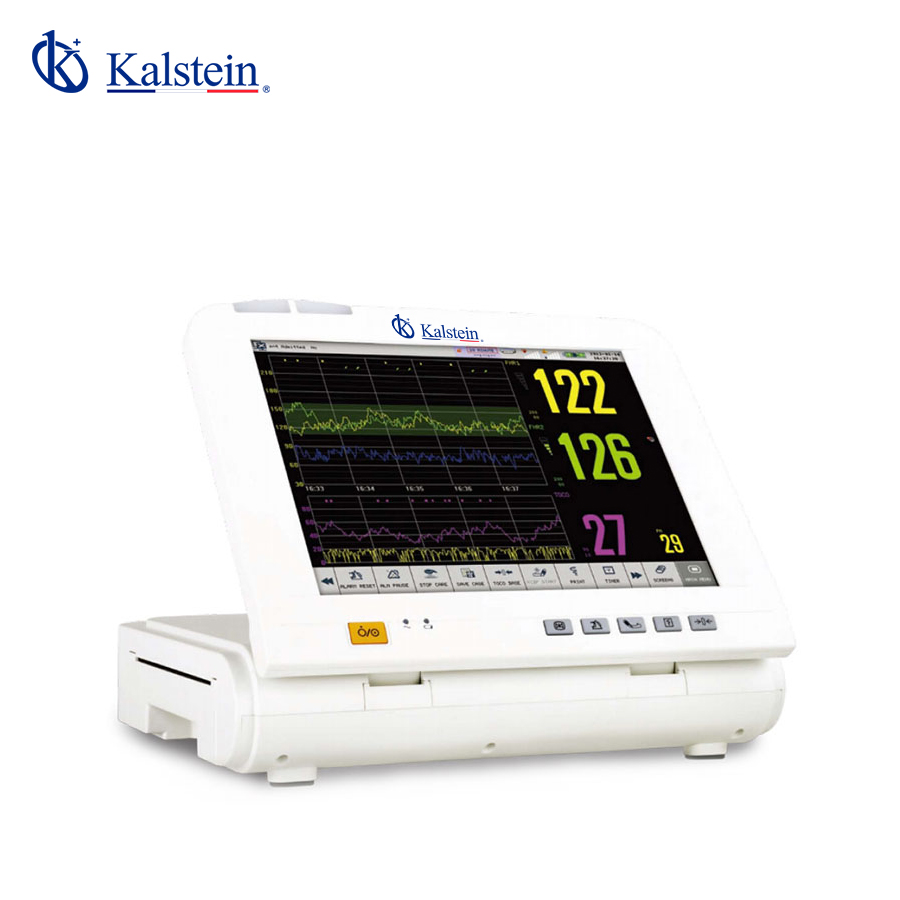
The Fetal Monitor YR02190C is designed to offer a comprehensive monitoring solution for fetal health during pregnancy. W…

Patient Monitor YR02175
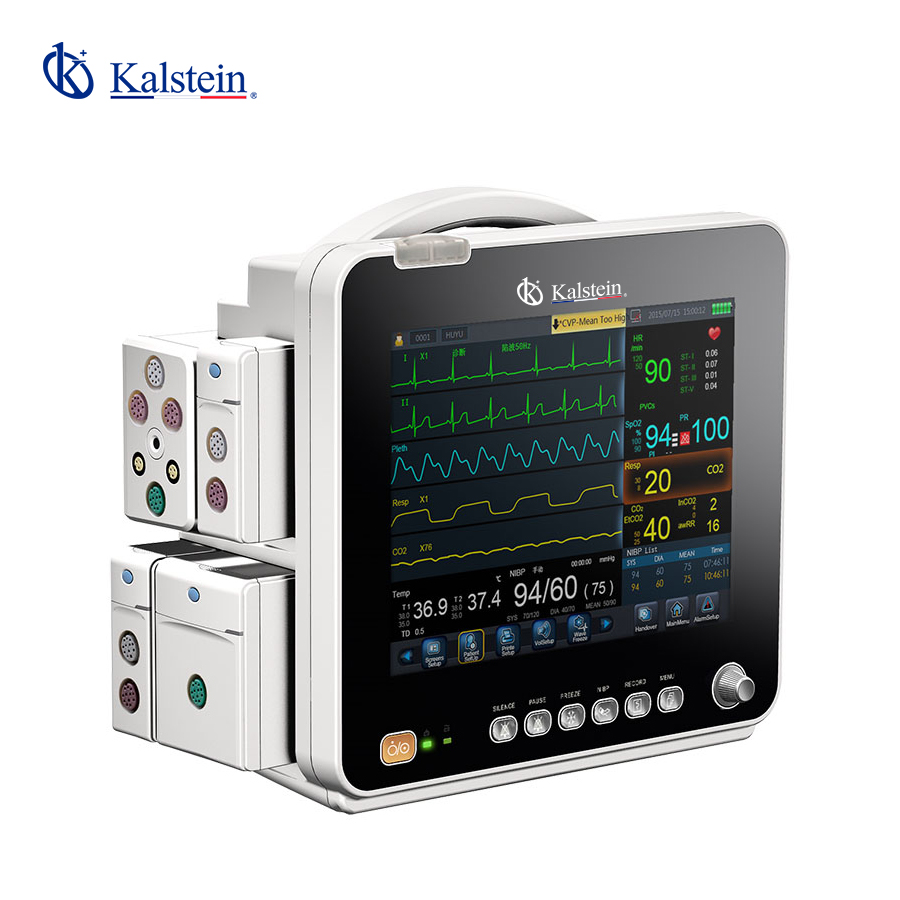
The Patient Monitor YR02175 is a state-of-the-art device designed to enhance patient care in critical settings like Oper…
Our patient and fetal monitor best seller
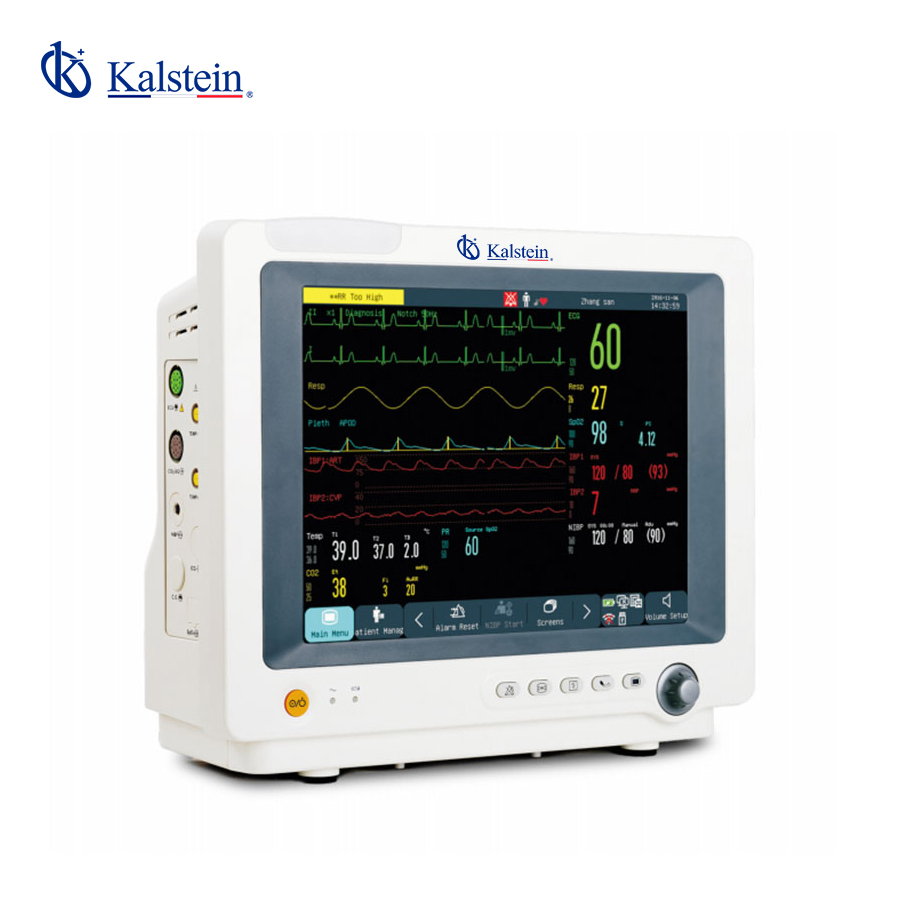
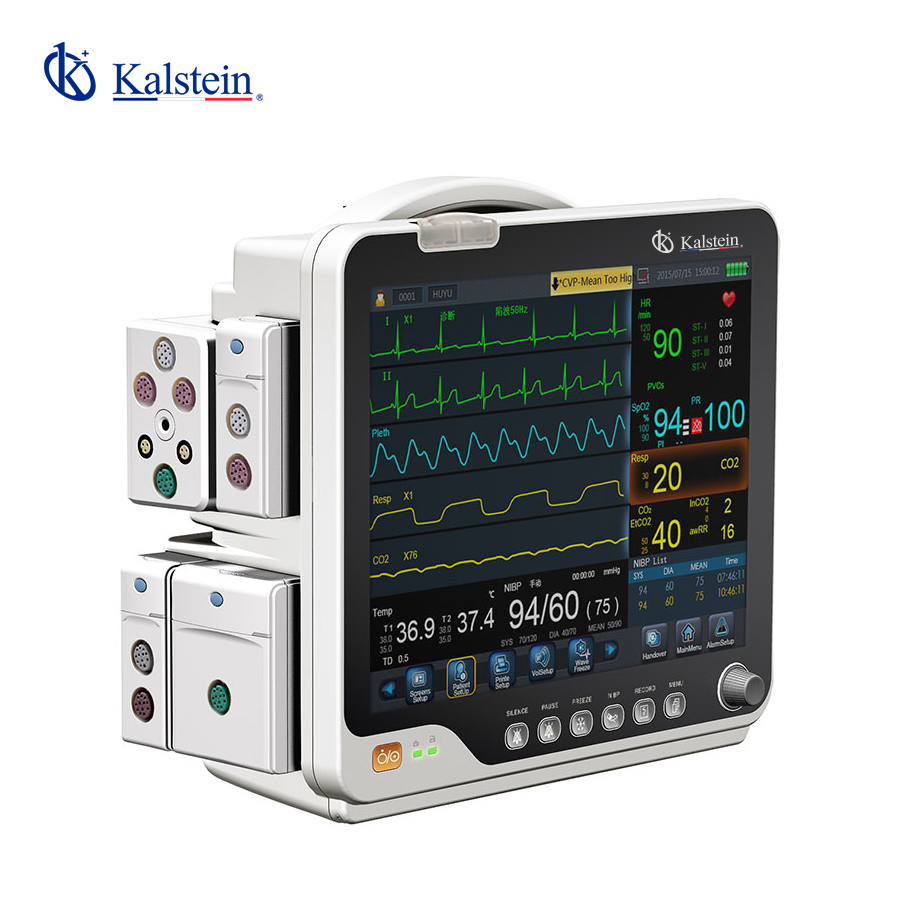
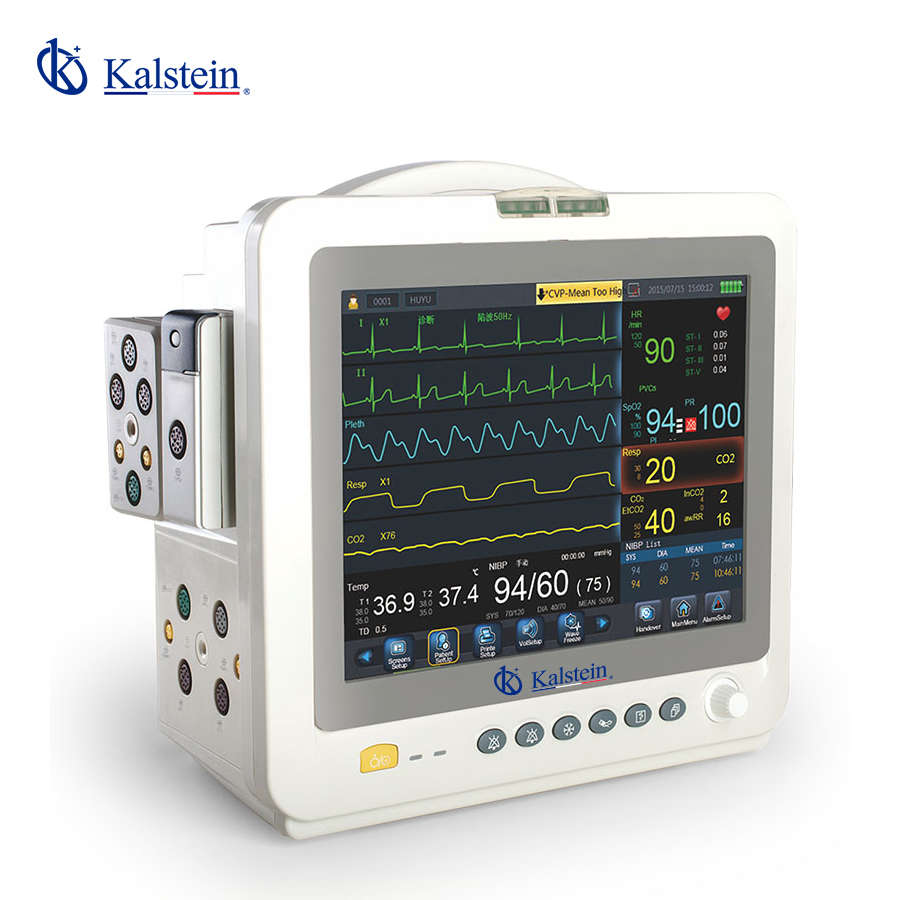
The Patient Monitor YR02176 is an essential tool in medical environments such as operating theaters and intensive care units. Featuring a 15-inch LCD screen and a full modular parameter design, this monitor is equipped with standard parameters like ECG, SPO2, TEMP, NIBP, RESP, and PR/HR. It supports a standard configuration that includes a 5-lead ECG, dual temperature, SpO2, and non-invasive blood pressure measurement. Additionally, it offers optional features such as Masimo/Nellcor SpO2, dual-IBP, and more advanced capabilities like BIS and…
The Patient Monitor YR02176, given its comprehensive features and advanced medical capabilities, is competitively priced in the market. Typically, such monitors range from approximately $4,200 to $5,000. This reflects the advanced technology and precision monitoring capabilities that the YR02176 offers, making it a valuable investment for medical facilities aiming to optimize patient monitoring and diagnostics.
| Model | YR02176 | |
|
ECG
|
Lead mode | 5 Leads(RA,LA,LL,RL,V) |
| Connection method | I, II, III,AVR,AVL,AVF,V | |
| Lead Mode | 3 Leads (RA,LA,LL) | |
| Connection method | I, II,III | |
| Waveform | 1ch | |
| Gain | x250, x500, x1000, x2000 | |
| HR Range | Adult: 15~300bpm | |
| Neo/Ped | 15~350bpm | |
| Accuracy | ±1% or ±1bpm | |
| Resolution | 1bpm | |
| Sensitivity | >200(uVp-p) | |
| Differential input impedance | ≥5MΩ | |
| ST segment Monitoring Range | ||
| Measure Range | -2.0~+2.0mV | |
| Measure Accuracy | -0.8mV~+0.8mV | |
|
Heart Rate
|
Measuring range | 20~300bpm |
| Accuracy | ±1bpm | |
| Resolution | 1bpm | |
| Sensitivity | >200UVp-p | |
|
Respiration
|
Method | Impedance between R-F(RA-LL) |
| Differential Input Impedance | >2.5MΩ | |
| Measuring Impedance Range | 0.3~3.0 MΩ | |
| Base line Impedance Range | 200~4000Ω | |
| Bandwidth | 0.1~2.5Hz | |
| Respiration Rate | Adult: 2~120BrPM | |
| Neo/Ped | 0~150BrPM | |
| Resolution | 1 BrPM | |
| Accuracy | ±2 BrPM | |
| Alarm | 10~40S | |
|
NIBP
|
Method | Oscillometric |
| Mode | Manual/Auto/STAT | |
| Measuring Interval in AUTO Mode | 1,2,3,4,5,10,15,30,60,90,120,180,240,480(Min) | |
| Measuring Period in STAT Mode | 5 Min | |
| Pulse Rate Range | 40~240bpm | |
| Alarm Type | SYS, DIA, MEAN | |
| Resolution | ||
| Pressure | 1mmHg | |
| Accuracy | Maximum Mean error: 5mmHg | |
| Maximum Standard deviation | 8mmHg | |
|
SPO2
|
Display | Number of SPO2,waveform of capacity,Pulse |
| Measuring range | 0~100% | |
| Resolution | 1% | |
| Accuracy | 70~100% (±2%) | |
| Alarm system | Audio-video alarm | |
| Pulse rate range | 0~300bpm | |
|
TEMP
|
Channel | 2 |
| Measuring and Alarm Range | 0~50ºC | |
| Resolution | 0.1ºC | |
| Accuracy | 0.1ºC | |
| Actualization interval | about 1 Second. | |
| Average Time Constant | <10 Second. | |

Selecting the right monitor protects mother and fetus health effectively

Improving the Quality and Accuracy of Patient Care with Kalstein Patient Monitors
As advances in medical technology continue to emerge, patient monitoring equipment is becoming increasingly sophisticated and accurate. Kalstein’s equipme…
Kalstein Patient Monitors: Essential Functions
From the emergency room to intensive care units, medical equipment plays a crucial role in safeguarding the health and well-being of patients. Among this essent…

Ways to use a patient monitor
A patient monitor is an electronic device used in hospitals and clinics to monitor vital signs of patients who are in critical condition or who must undergo con…

Patient Monitor, How To Read On A Vital Signs Monitor?
This medical equipment, needed in clinics and hospitals, is used to monitor and control the vital signs of the patient connected to the apparatus and which requ…
Kalstein offers reliable monitors for continuous maternal and fetal care
Review our comprehensive guide on choosing the best patient and fetal monitor devices for clinical environments
Explore our detailed guidelines and expert recommendations to select, operate, and maintain patient and fetal monitors like a true professional in your clinic
Fetal monitoring during childbirth.
There is a generalized clinical protocol, where all health professionals perform clinical practices in all hospitals and health centers,to guarantee q…
Fetal monitors, main brands
Fetal monitors are medical equipment used for the purpose of prenatal monitoring to measure and graphically display maternal abdominal contractions an…
Are there portable fetal monitors?
A fetal monitor is a medical device that provides a prenatal monitoring system to measure and graphically display maternal abdominal contractions and…

Fetal monitor: What parameters does it provide?
A fetal monitor is a medical device that provides a prenatal monitoring system to measure and graphically display maternal abdominal contractions and fetal heart rate on a graphic display and on a chart recorder.

FAQs
The delivery time for your Kalstein product will depend on the following:
- Whether the equipment you are interested in is in stock or if it needs to be manufactured.
- The type of shipping you have chosen, which can be either air or sea freight.
- Equipment in stock:
– Delivery Time (Air): 15-30 days.
– Delivery Time (Sea): 45-60 days.
- Equipment not in stock:
– Delivery Time (Air): 30-60 days.
– Delivery Time (Sea): 60-90 days.
You can make your purchase through:
- Email: [email protected]
- Phone: +33 (0) 1 70 39 26 50
- E-commerce: Through the official Kalstein website in your country.
At Kalstein, we provide our clients with inductions and technical support through new online methods. You can visit our induction videos, technical assistance, and guidance provided by a Kalstein team through our YouTube channel (Kalstein English). HERE.